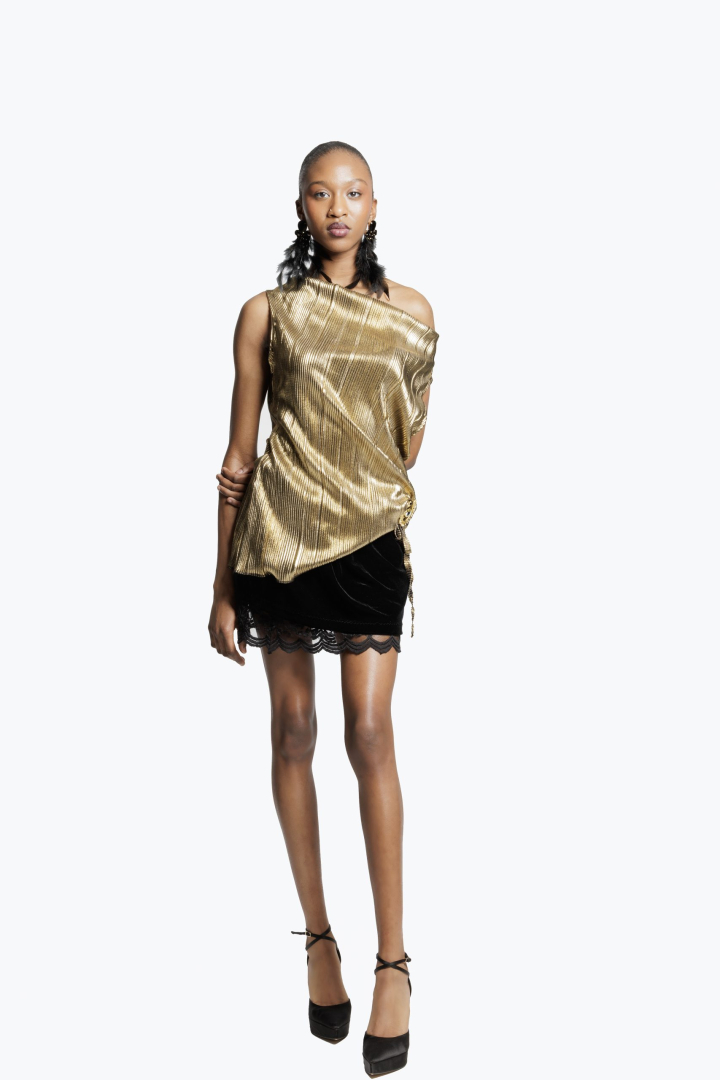
Casting: Models, Actors, Voices, Faces, Bodies
Phillip Wong Photography
The People
Casting and Systemic Bias
Image Shapes Our World:
People Define Us

Finding “Something Else”
Casting is perceived as both glamorous and shady. As with all things, it can be both, or somewhere in between. But I want to talk about a change in Society’s perception of models and talent over the years, what is possible and what Phillip Wong Photography looks for.
There are different stages in the career of a model or talent, and these should be looked at differently by both the model/talent, and the client, the casting director and the producer.
It has been assumed that “good-looking” or “attractive” is a standard, but we all know that people who look “different” have been struggling to find a place in the very wide scope of visibility in Society. Over time, both the value of “looks,” and the perception of what “good-looking” has changed.
While “looks” are important, someone who relies solely on their looks, can become stagnant, masking the insincerity of the model or talent. Athletes may run or jump, but at each successive level, they are competing with people who are equally gifted.
But change, like waves to a surfer, should not be resisted, but understood, and ridden. The human face, the human character, the human emotion, has INCREASED in value, over the past several decades, because in a world of 8 billion people, our market has changed. By using social media, and remote interactions from texts to emails, the values of humanity are both missing, and desired more than ever.
Values have shifted and language still remains diverse. What we look for, is both representative AND aspirational. Both what is visible, and what is hidden. We are looking for both the cliche and the asymmetrical.We are looking for everything, everywhere, all at once.
That is what I have always looked for – the “Something Else.”

As someone who “looked different” for a lifetime, I have been aware of the decisions people make in casting.
The anticipation of “what will the clients think,” or “what will the audience think,” has never given opportunities easily to someone with a different color skin, or an unusual look. It has never sought to “build” stars, or credible models/talent, but to “find” or simply use “stars” once someone else confirms them.
Which is why I have always viewed the job, behind the scenes, as incredibly important, to see, to think, to consider, to try, to push, encourage and demand, a way forward. Of the people who have worked with me.
Systemic Bias, is real. We always look to people we know best. We favor our families, our friends, people we went to school with, people we worked with elsewhere. . . . . and in casting, we favored people who had similar looks. People who would “likely” be successful.
New Faces and Development
The future of everything, is in the “new” and the “developing.” There is a future in transition and in re=imagining, and re-defining, but “Change” is the centerpiece of all business.
I am looking for new clients, new work, but have done it before. I see the people I work with, both with the loyalty of good experiences, but also the demand and need to move forward – so throughout my life, I have always sought to see the “new faces,” and not “discover,” but just identify their capabilities. It is why agencies, over the years, have trusted me to find hidden qualities, but social media “stars” can only count “followers.”
But only people who listen, see, think, can tell when a “model” might actually be a better “actor” or “singer,” or “artist.” Those are the paths I am looking for.


Systemic Bias
People tend to trust what they know, and shy away from what they don’t know. That is the essence of “Systemic Bias.” The unknown scares us, just like the dark is more frightening, than a sunlit scene.
But taking the time to see, and know, takes away some of the fear, and gives us an idea of what needs to be done to succeed.
I ask agencies for New Faces, because it tells me several things: the ability of people inside an agency to “see,” and willingness of everyone, to take risks, and go forward.
When I use the word “risk,” the immediate thought is that something is “risky,” but just like analyzing stocks, people who know, are taking less risks than people who know nothing.
It is easier to assess “risk” and “promise,” by knowing and taking the time to find out. I have always taken that time.
Developing and Growing
I am not solely considering myself, or the model/talent – but the growth of agencies, and their client base as well.
I know the history of Bethann Hardison and the growth of Click, the development of Ford by Eileen Ford, and the position of Supreme to Women. It is through the vision of scouts and management, but also the ability to persuade new and old clients, why change, or a different perception, might be beneficial.
Without either agencies or models/talent or new projects, it is difficult to break through the dominance of established companies, established agencies and established stars. And we believe that “success” in the association with everything that has already been successful with someone else.


To Modeling and Casting Agencies:
If you look at the images here, you know that I’ve got some experience – what isn’t known, or understood, is why you haven’t heard of me, or why I haven’t been banging doors for years.
9/11. Sub-Prime Mortgage Meltdown. COVID and Today.
But I see down periods as opportunities to move quickly, both to prepare, and to introduce. I am looking for partners who can share this understanding and vision.


Choosing Photography
Phillip Wong Photography
Fashion/Editorial
Choosing Photography
Decisions Decisions Decisions
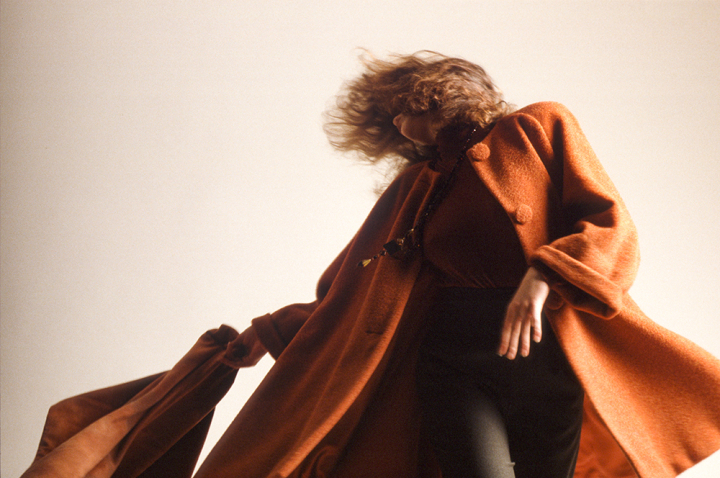
The Decisions We Make
I am always struck by organizations which make decisions without knowing what they look for in hiring people, or why they choose one vendor or subcontractor, over another.
At some level, we are all the same. We are interchangeable and replaceable. But at a much different level, for those who understand – there is a huge difference between a Van Gogh painting and something you pick up during a summer’s art fair.
They are both paintings. Right?
I seek clients, and I hope that clients seek Phillip Wong Photography. with the same intent as a connoisseur, or an expert in communications.
We can’t expect every client, or photographer to be experienced, or understand whichever level of audience we are seeking to connect with, but that is why we develop strategies of creation, production, placement and audience connection.
Whether in organizations seeking to connect directly with an audience on the street, or in a board room, or B2B, the way we connect is different.

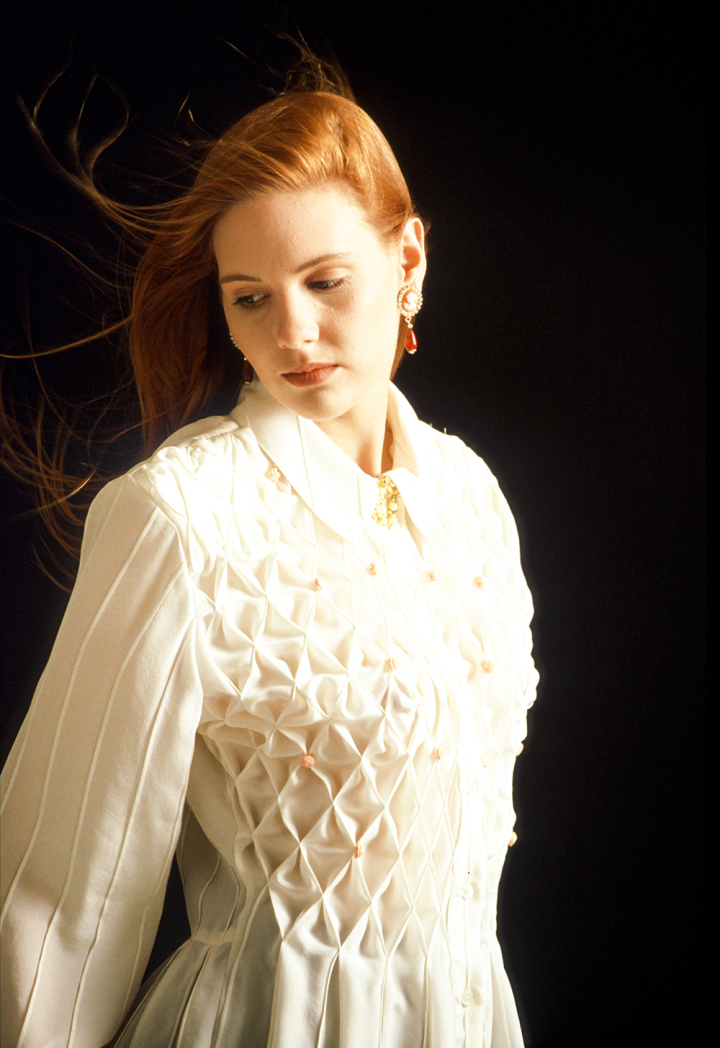
Objective and Subjective
When we make organizational decisions – there is a core element of “objectivity” and a small sprinkling of “taste.”
The same way we cook.
The “objectivity” is our goal, our intent, our purpose.
Phillip Wong Photography has created Look Books for corporate buyers, as well as “catalog-level” images for retail consumers, and “editorial” images for creating the framing and context of how companies defined themselves to the public, or how they saw the public audience defines themselves.
As a photographer, Phillip Wong Photography was always encouraged to “showcase your style,” but we always saw the image as a tool of communication – and as a director like Ridley Scott ran diverse gamuts of time/place/story – the photography was always a tool of communication speaking to the audience.
The use of style is integrated into the content of the message, not to be seen, but to be felt. Not to be obtrusive, but to advance the story.
Seeing and Not Seeing
Communications, and photography is the art of seeing, and not seeing. How does an audience “see” and what do they “see.: How does the audience “feel” with everything they see. A story does not get bogged down in tangents, but it also creates the context for what we see, and why we feel the way we do.
In a world where we cannot always see a product first hand, or touch something, and if something is very expensive, a client’s opening interest, and the closing decision, comes down to what they see, and how well it conveys what they care about.
Shooting for “freshness,” is critical in food. But shooting for shape, texture, color, in fashion, and all branding, we’re looking to extend the “feel” of other senses.
In photographs of Alexander McQueen’s clutches, which are collector items, the detail is important.



Making A Statement
In creating a film, not every image needs to be a defining statement of character or story – and in editorial or commercial photography, not every image needs to be iconic. But they need to “connect” the statements, the themes, the idea.
Focusing the attention, or eye of the audience needs to bring the audience back to the purpose or story which is being told.
Editorial photography is a process of making a complete statement. But this is also how effective commercial photography works. It tells a story of the brand or the values and ideas behind the brand.That association is the core of “Identity.”
Whether the “identity” is an iconic musician, or a product, or the brand of a publication, the value isn’t in the actual photograph, but HOW the photograph, focuses the mind of the audience, on what the photographer wants them to focus on.


Simplicity and Focus
Clients tend to “know” more about their product or service than their audience does. They want to tell about who they are, what they do, and how well they do it.
But you cannot do all of that at one time. The process is to get the attention of the audience, then hold the attention for 5 seconds, and then 15, and if they can remain engaged, bring them to see more.
Social media has trained the eyes of audiences to be quick, but not remain focused. To capture that attention, or hold it, is the challenge of communicating.
By working with diverse platforms and mediums, Phillip Wong Photography uses the image capture as a tool in the process of communicating complex ideas and issues.
Every image can stand alone to capture attention, but is calculated to be part of a story that can expand until an audience is activated to learn more.
Asking, “who is that” or “what are they doing,” or “why is that happening,” the audience is engaged to want an answer.
The question of “Why should I care?” Never crosses the mind.