Moevir - Paris
Another Editorial Production
Moevir – Paris
L’ESPRIT DE LA MODE ET DE L’ART
I have never seen photography, or fashion photography, in a vacuum.
While I love fashion, music, art, and am fascinated by science and the new, evolving and changing world that we live in, they are not isolated islands in our world.
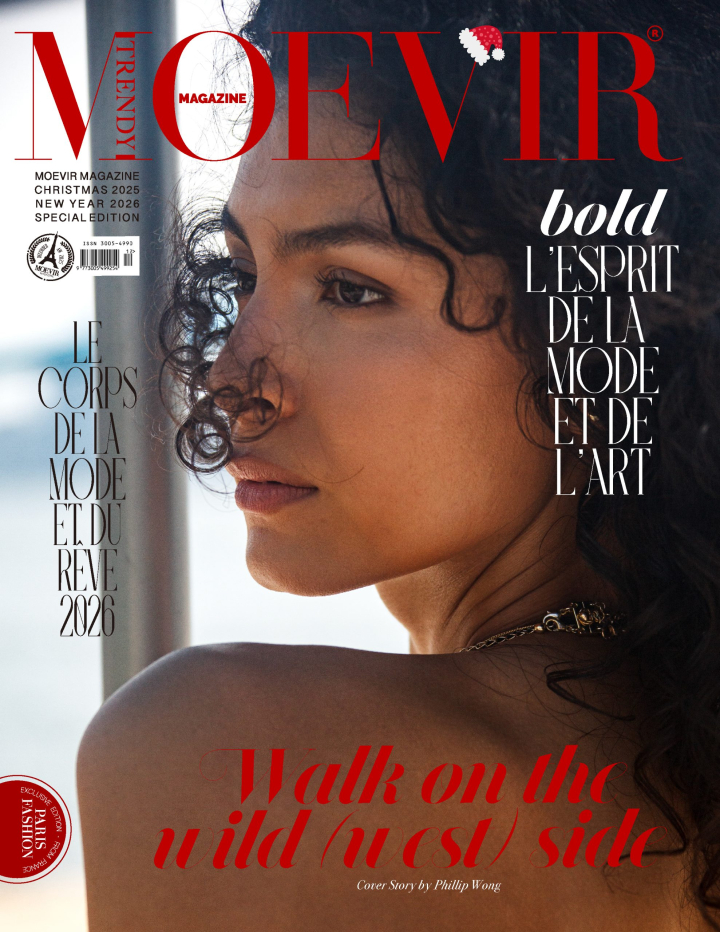
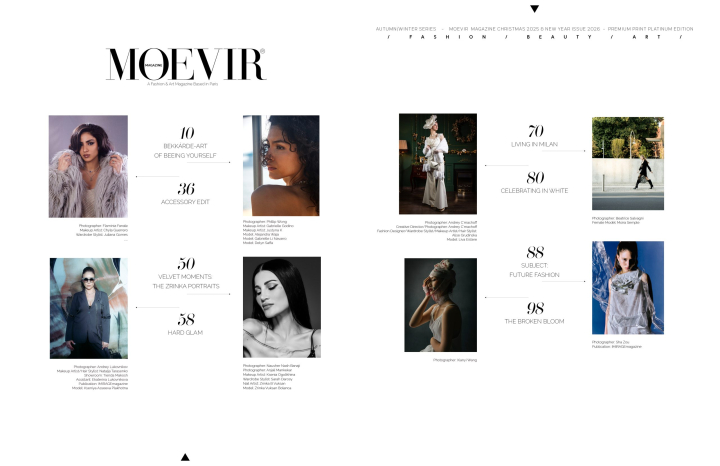
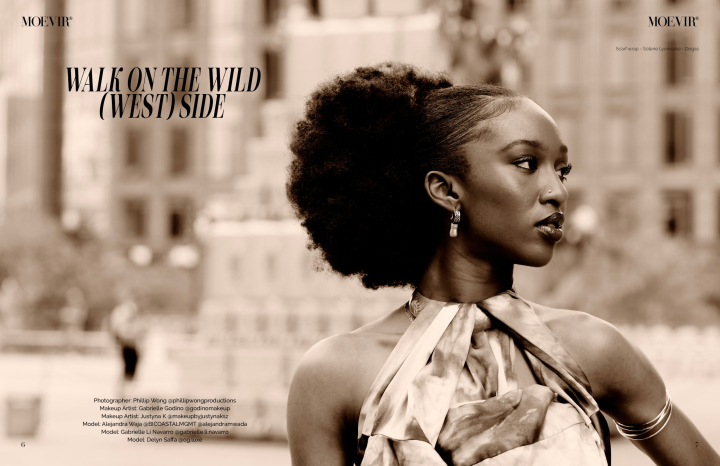
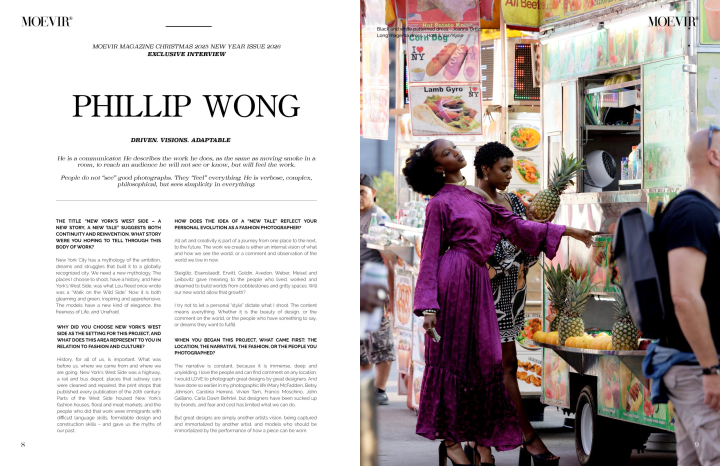
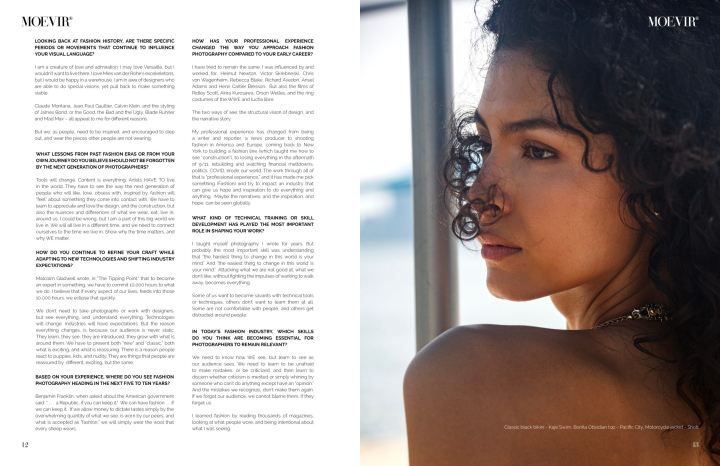
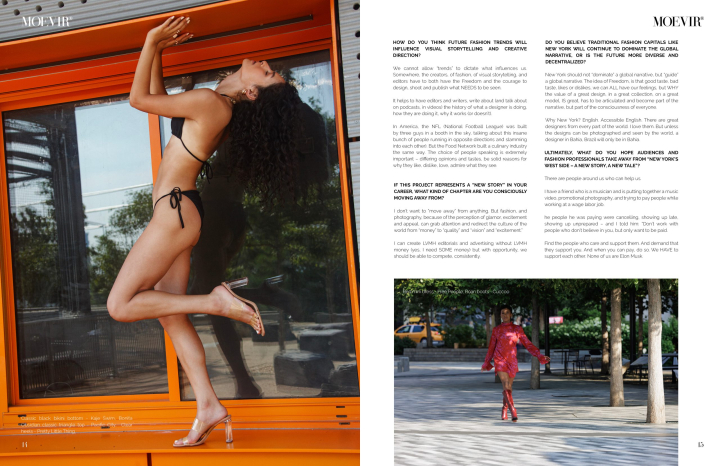
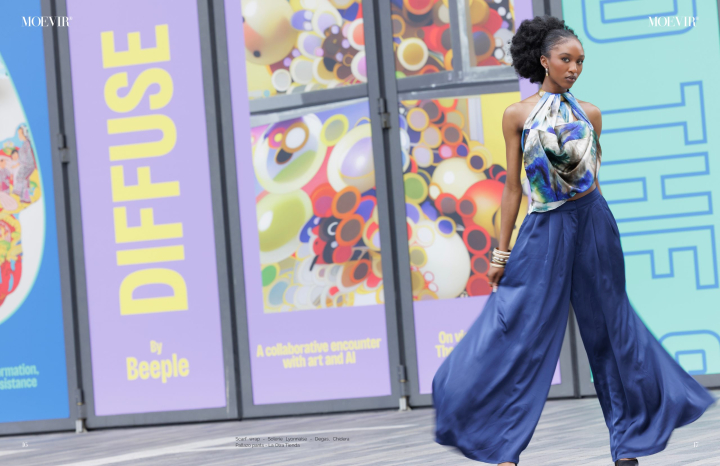
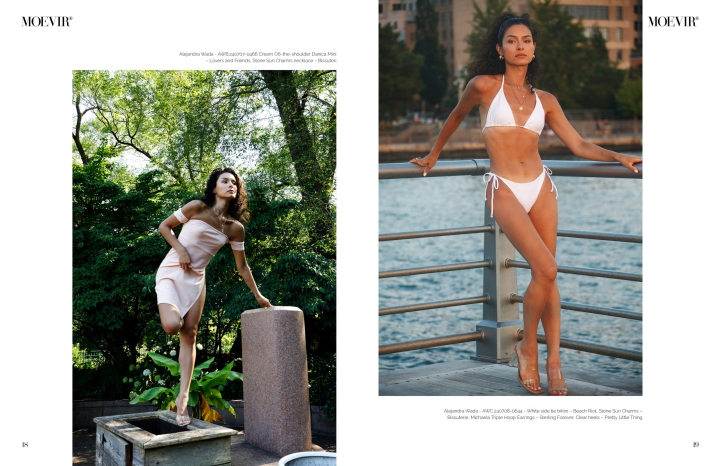
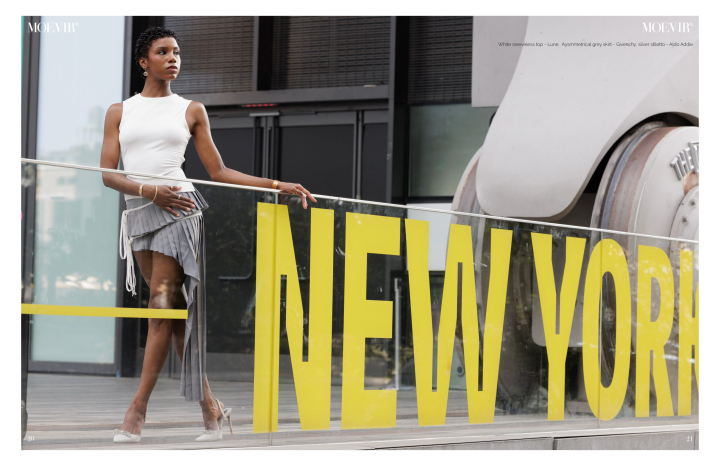
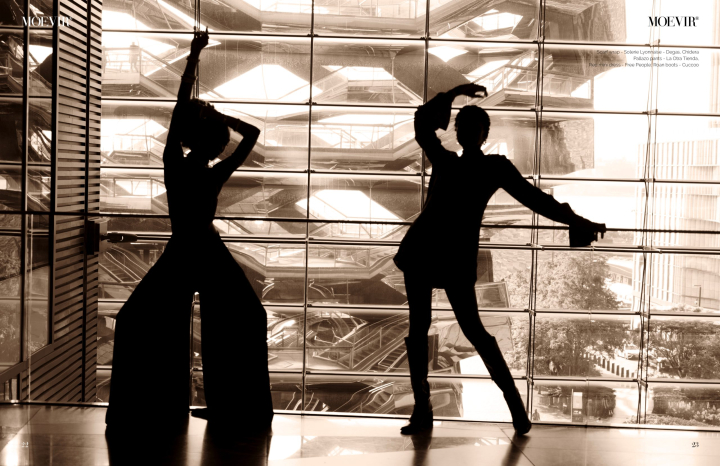
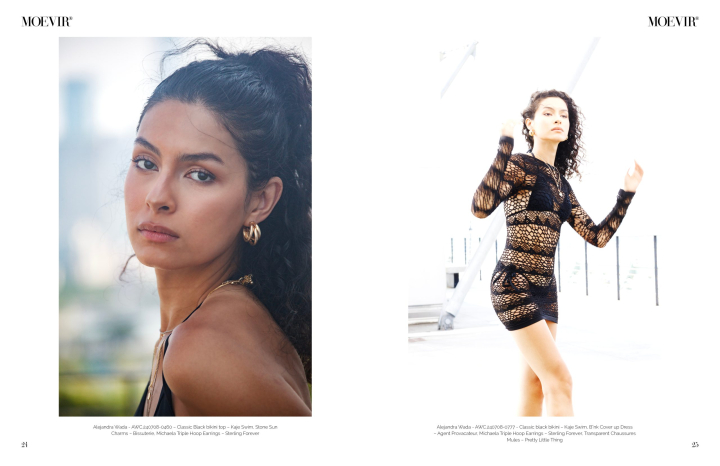
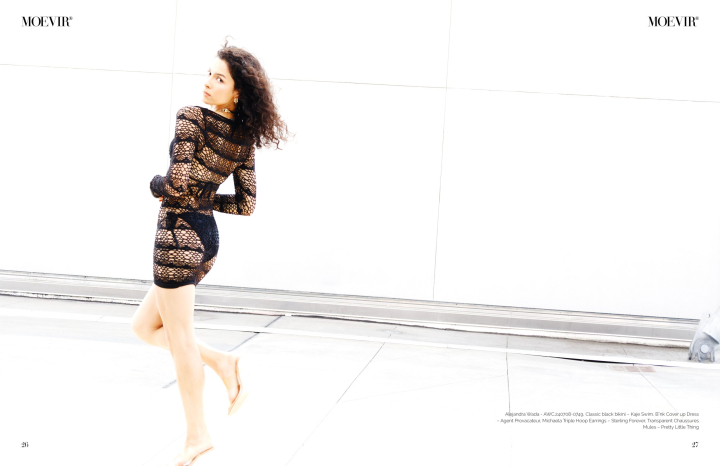
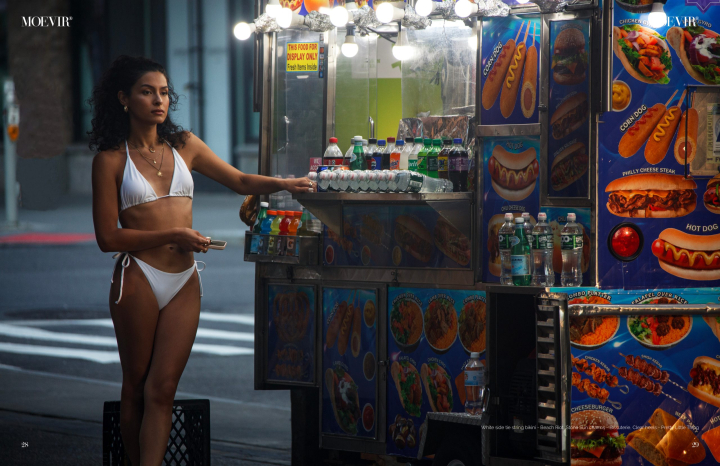
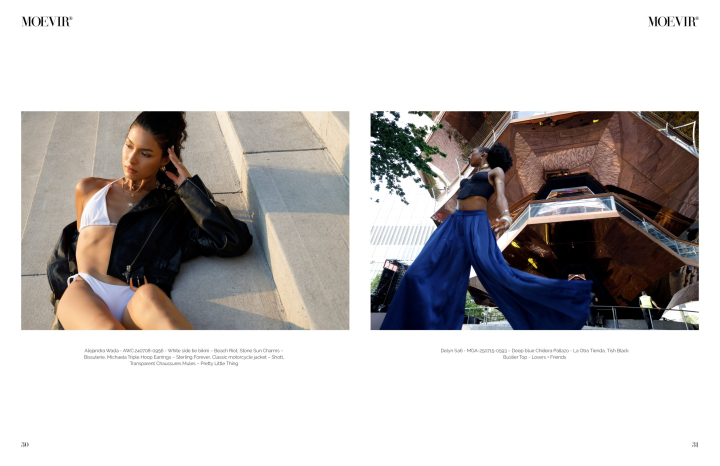
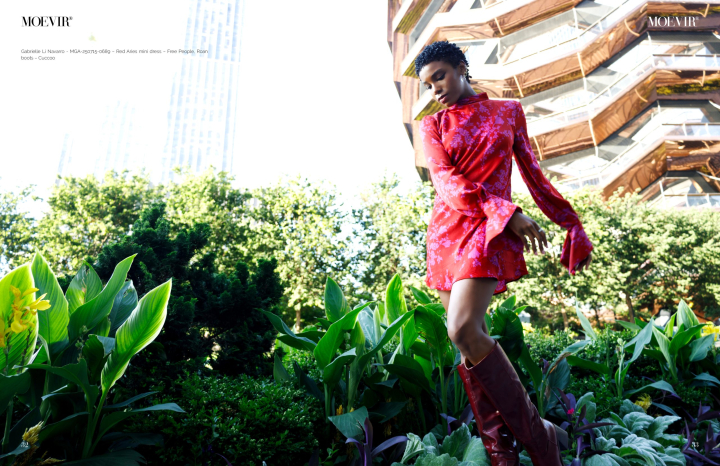
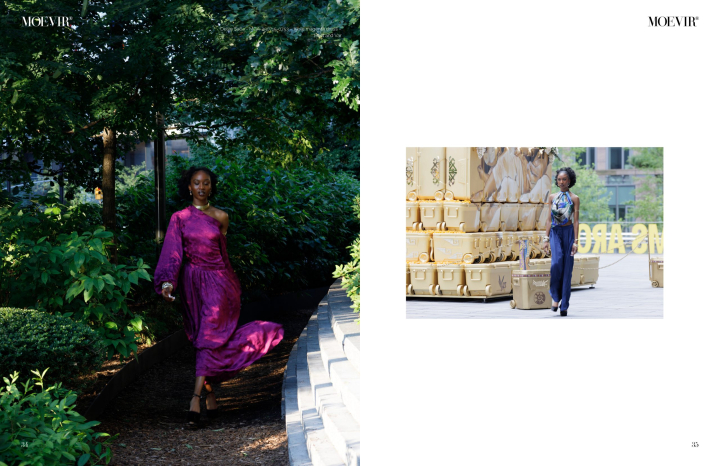
This editorial was published at the end of 2025, beginning of 2026 in Paris. I was surprised that they published as much as they did, with the graphics and layout and taste, that they exhibited.
I am showing it here, exactly as it was laid out, designed and published. It could be edited a little tighter, but it is closer touching where our world, touches our lives.


Casting: Models, Actors, Voices, Faces, Bodies
Phillip Wong Photography
The People
Casting and Systemic Bias
Image Shapes Our World:
People Define Us
Finding “Something Else”
Casting is perceived as both glamorous and shady. As with all things, it can be both, or somewhere in between. But I want to talk about a change in Society’s perception of models and talent over the years, what is possible and what Phillip Wong Photography looks for.
There are different stages in the career of a model or talent, and these should be looked at differently by both the model/talent, and the client, the casting director and the producer.
It has been assumed that “good-looking” or “attractive” is a standard, but we all know that people who look “different” have been struggling to find a place in the very wide scope of visibility in Society. Over time, both the value of “looks,” and the perception of what “good-looking” has changed.
While “looks” are important, someone who relies solely on their looks, can become stagnant, masking the insincerity of the model or talent. Athletes may run or jump, but at each successive level, they are competing with people who are equally gifted.
But change, like waves to a surfer, should not be resisted, but understood, and ridden. The human face, the human character, the human emotion, has INCREASED in value, over the past several decades, because in a world of 8 billion people, our market has changed. By using social media, and remote interactions from texts to emails, the values of humanity are both missing, and desired more than ever.
Values have shifted and language still remains diverse. What we look for, is both representative AND aspirational. Both what is visible, and what is hidden. We are looking for both the cliche and the asymmetrical.We are looking for everything, everywhere, all at once.
That is what I have always looked for – the “Something Else.”

As someone who “looked different” for a lifetime, I have been aware of the decisions people make in casting.
The anticipation of “what will the clients think,” or “what will the audience think,” has never given opportunities easily to someone with a different color skin, or an unusual look. It has never sought to “build” stars, or credible models/talent, but to “find” or simply use “stars” once someone else confirms them.
Which is why I have always viewed the job, behind the scenes, as incredibly important, to see, to think, to consider, to try, to push, encourage and demand, a way forward. Of the people who have worked with me.
Systemic Bias, is real. We always look to people we know best. We favor our families, our friends, people we went to school with, people we worked with elsewhere. . . . . and in casting, we favored people who had similar looks. People who would “likely” be successful.
New Faces and Development
The future of everything, is in the “new” and the “developing.” There is a future in transition and in re=imagining, and re-defining, but “Change” is the centerpiece of all business.
I am looking for new clients, new work, but have done it before. I see the people I work with, both with the loyalty of good experiences, but also the demand and need to move forward – so throughout my life, I have always sought to see the “new faces,” and not “discover,” but just identify their capabilities. It is why agencies, over the years, have trusted me to find hidden qualities, but social media “stars” can only count “followers.”
But only people who listen, see, think, can tell when a “model” might actually be a better “actor” or “singer,” or “artist.” Those are the paths I am looking for.


Systemic Bias
People tend to trust what they know, and shy away from what they don’t know. That is the essence of “Systemic Bias.” The unknown scares us, just like the dark is more frightening, than a sunlit scene.
But taking the time to see, and know, takes away some of the fear, and gives us an idea of what needs to be done to succeed.
I ask agencies for New Faces, because it tells me several things: the ability of people inside an agency to “see,” and willingness of everyone, to take risks, and go forward.
When I use the word “risk,” the immediate thought is that something is “risky,” but just like analyzing stocks, people who know, are taking less risks than people who know nothing.
It is easier to assess “risk” and “promise,” by knowing and taking the time to find out. I have always taken that time.
Developing and Growing
I am not solely considering myself, or the model/talent – but the growth of agencies, and their client base as well.
I know the history of Bethann Hardison and the growth of Click, the development of Ford by Eileen Ford, and the position of Supreme to Women. It is through the vision of scouts and management, but also the ability to persuade new and old clients, why change, or a different perception, might be beneficial.
Without either agencies or models/talent or new projects, it is difficult to break through the dominance of established companies, established agencies and established stars. And we believe that “success” in the association with everything that has already been successful with someone else.

To Modeling and Casting Agencies:
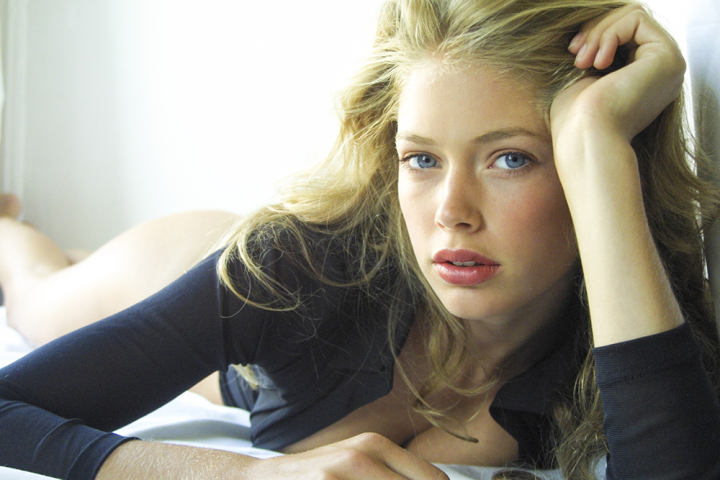
If you look at the images here, you know that I’ve got some experience – what isn’t known, or understood, is why you haven’t heard of me, or why I haven’t been banging doors for years.
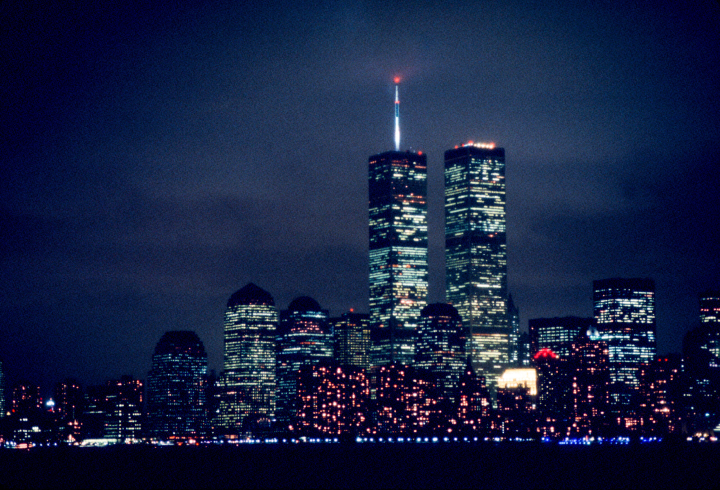
9/11. Sub-Prime Mortgage Meltdown. COVID and Today.
But I see down periods as opportunities to move quickly, both to prepare, and to introduce. I am looking for partners who can share this understanding and vision.
Choosing Photography
Phillip Wong Photography
Fashion/Editorial
Choosing Photography
Decisions Decisions Decisions
The Decisions We Make
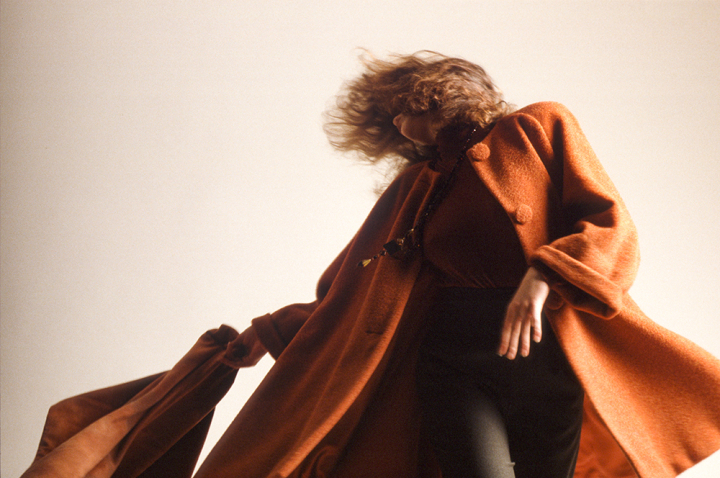
I am always struck by organizations which make decisions without knowing what they look for in hiring people, or why they choose one vendor or subcontractor, over another.
At some level, we are all the same. We are interchangeable and replaceable. But at a much different level, for those who understand – there is a huge difference between a Van Gogh painting and something you pick up during a summer’s art fair.
They are both paintings. Right?
I seek clients, and I hope that clients seek Phillip Wong Photography. with the same intent as a connoisseur, or an expert in communications.
We can’t expect every client, or photographer to be experienced, or understand whichever level of audience we are seeking to connect with, but that is why we develop strategies of creation, production, placement and audience connection.
Whether in organizations seeking to connect directly with an audience on the street, or in a board room, or B2B, the way we connect is different.

Objective and Subjective
When we make organizational decisions – there is a core element of “objectivity” and a small sprinkling of “taste.”
The same way we cook.
The “objectivity” is our goal, our intent, our purpose.
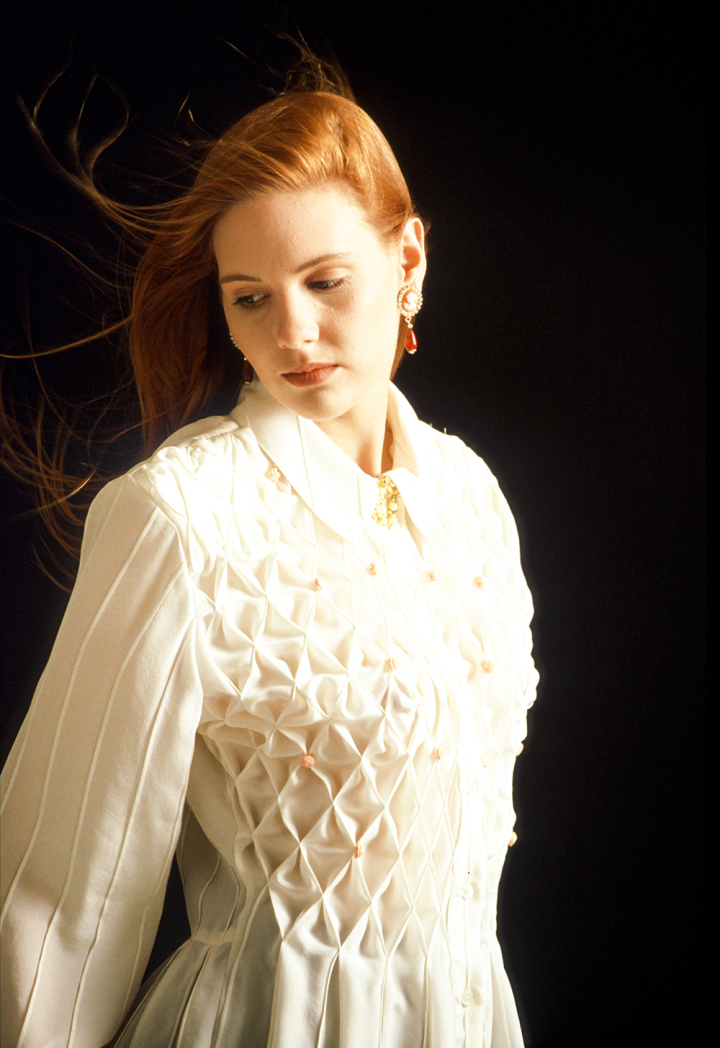
Phillip Wong Photography has created Look Books for corporate buyers, as well as “catalog-level” images for retail consumers, and “editorial” images for creating the framing and context of how companies defined themselves to the public, or how they saw the public audience defines themselves.
As a photographer, Phillip Wong Photography was always encouraged to “showcase your style,” but we always saw the image as a tool of communication – and as a director like Ridley Scott ran diverse gamuts of time/place/story – the photography was always a tool of communication speaking to the audience.
The use of style is integrated into the content of the message, not to be seen, but to be felt. Not to be obtrusive, but to advance the story.
Seeing and Not Seeing
Communications, and photography is the art of seeing, and not seeing. How does an audience “see” and what do they “see.: How does the audience “feel” with everything they see. A story does not get bogged down in tangents, but it also creates the context for what we see, and why we feel the way we do.
In a world where we cannot always see a product first hand, or touch something, and if something is very expensive, a client’s opening interest, and the closing decision, comes down to what they see, and how well it conveys what they care about.
Shooting for “freshness,” is critical in food. But shooting for shape, texture, color, in fashion, and all branding, we’re looking to extend the “feel” of other senses.
In photographs of Alexander McQueen’s clutches, which are collector items, the detail is important.
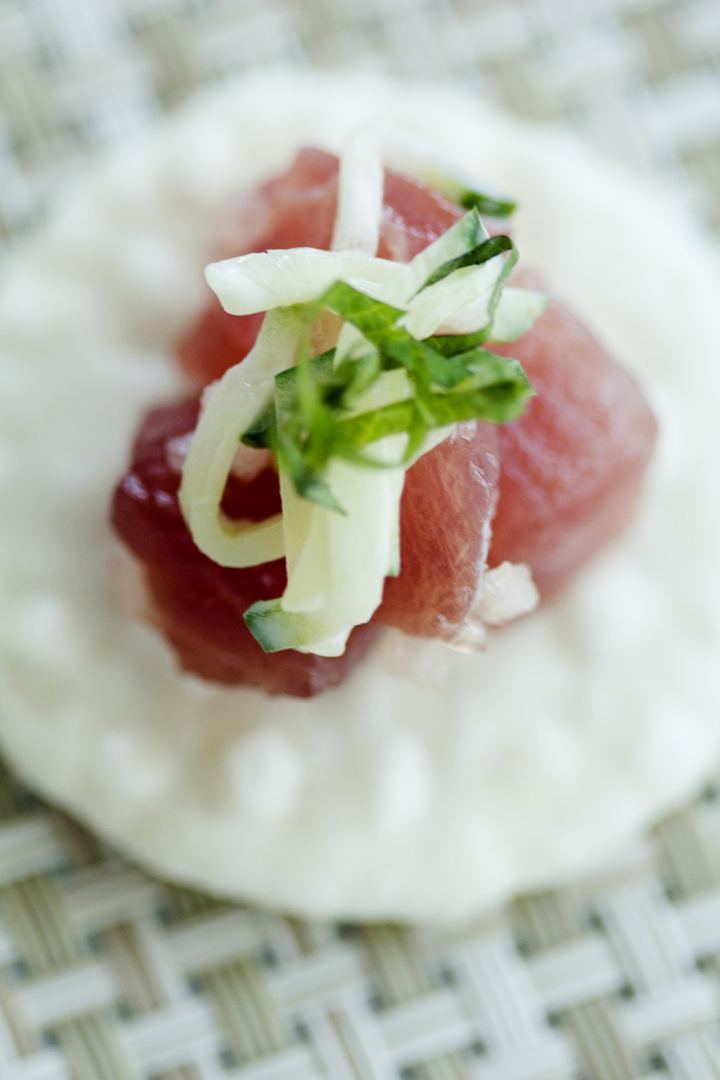


Making A Statement
In creating a film, not every image needs to be a defining statement of character or story – and in editorial or commercial photography, not every image needs to be iconic. But they need to “connect” the statements, the themes, the idea.
Focusing the attention, or eye of the audience needs to bring the audience back to the purpose or story which is being told.
Editorial photography is a process of making a complete statement. But this is also how effective commercial photography works. It tells a story of the brand or the values and ideas behind the brand.That association is the core of “Identity.”
Whether the “identity” is an iconic musician, or a product, or the brand of a publication, the value isn’t in the actual photograph, but HOW the photograph, focuses the mind of the audience, on what the photographer wants them to focus on.


Simplicity and Focus
Clients tend to “know” more about their product or service than their audience does. They want to tell about who they are, what they do, and how well they do it.
But you cannot do all of that at one time. The process is to get the attention of the audience, then hold the attention for 5 seconds, and then 15, and if they can remain engaged, bring them to see more.
Social media has trained the eyes of audiences to be quick, but not remain focused. To capture that attention, or hold it, is the challenge of communicating.
By working with diverse platforms and mediums, Phillip Wong Photography uses the image capture as a tool in the process of communicating complex ideas and issues.
Every image can stand alone to capture attention, but is calculated to be part of a story that can expand until an audience is activated to learn more.
Asking, “who is that” or “what are they doing,” or “why is that happening,” the audience is engaged to want an answer.
The question of “Why should I care?” Never crosses the mind.

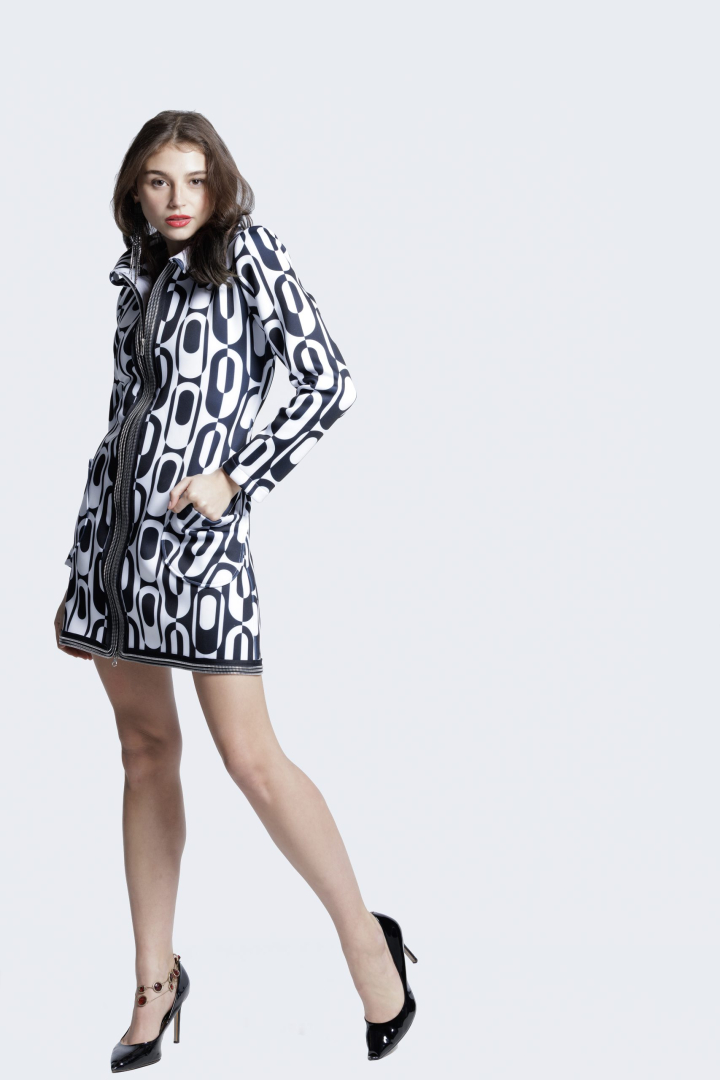
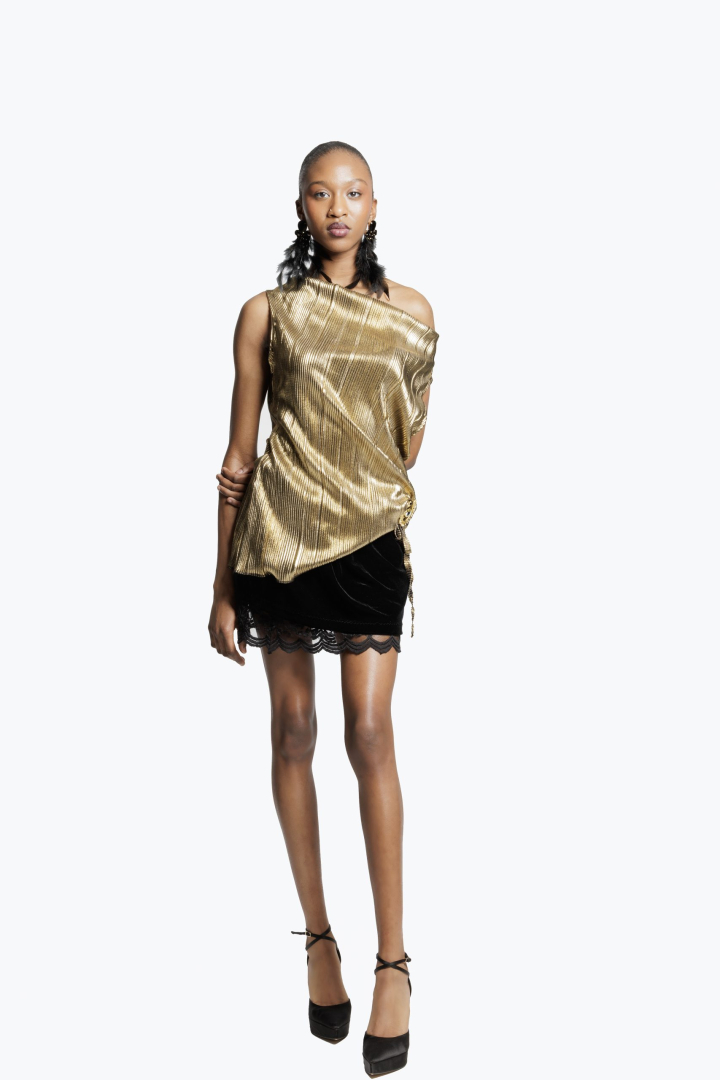
The Editorial Voice: Xaymaca: Land of Wood and Water
Phillip Wong Photography
Xaymaca: Land of Wood and Water
Jamaica Production
Xaymaca: Verve Fashion Magazine
The Editorial Voice
Over the years, I have believed that in a Free World, with a Free Press, we must have thoughts, opinions, and they have to be grounded in the values of our audiences.
This does not mean pandering to them, telling them what to think, or feel, but offering them perspectives and views they hadn’t considered.
In 1962, David Lean released “Lawrence of Arabia.” Lean said that he wanted to take his audiences to places, and times, that they had never encountered. He showed them a young Arab monarchy, a land of sand and endless dunes. A land influenced by European wars in the 1930s.
Films, music, television, magazines, media all sought to do that, “take audiences to places and times, they never encountered.” Today we have the technical ability to do that, but not the storytelling ability to make it matter to audiences.
I have shot fashion with the intent of “making it matter.” But many other people and situations – all with the intent of introducing a “discovery,” to my audiences.
A new way of seeing. Fresh eyes. Nuanced opinion. Not just “feeling,” but “thought” and “consideration.”
Xaymaca is that: Why the name? The first Taino people exploring the seas between South and North America found the island of Jamaica, and called it Xaymaca. It’s history of Spain, Britain, independence, defines the culture and values of the country.
I still want to pursue fashion as editorial.


Final Words about
“Editorial.”
I have always recognized that editorial production, film production, publishing, events, are just as organizational and collaborative as building a company, a brand, a manufacturing plant, or a family. We identify what our story is, what are the angles, who are the participants, but also, how will it be budgeted or funded?
Creative endeavors are more flexible because they offer “creativity.” It is a democratic contribution to the work that drives forward – not chaos, but directed agreement.I use editorials to give companies and brands, opportunities they wouldn’t get without a much higher budget: to explore, discover, find what they like about themselves, and the markets that they want to pursue.
Years ago, I discovered the freedom of shooting with European press. They were willing to TRUST my ideas and visions, and were willing to trust the people I worked with, the agencies, models, and behind-the-scenes artisans. American publications operated like dictatorships, telling me what to do, how to do it, and constraining everything around us, because “they knew everything.” Unwilling to discuss, only to order. And always using money to get their way.
These works, are my visions. Try me.
Swimwear On Location
Phillip Wong Photography
Fashion/Editorial
Swimwear With Soul: On Location
Shooting swimwear seems easy.
A model. A swimsuit. Natural make-up and hair. Location.
But shooting on location makes everything more difficult. The sun. The changing time of day. The volatile weather. And shooting on a beach removes the production from access to anything.
For commercial photography, in a controlled amount of space, the apparel has to look good, but editorial image-making is more dynamic, balancing the awesome beauty of our world, with the beauty of the model and the created beauty of what she is wearing.

This was shot on the Quai d’Orleans across from the Cathdrale Notre-Dame de Paris and a grey, foggy day for an editorial shoot. It epitomizes what I look for in fashion editorial photography: mood, mystery, story.
Regardless of how provocative, sexy and glamorous a shot should be, there should always be an eternal undercurrent of classicism.

We searched and found, many locations on Kauai, Hawaii, but the undercutting of the island by the pounding surf, created these dramatic overhangs that balanced the landscape with the simplicity of the swimwear, and the color of her neckwear.
The model was perfect. Her projection echoed the natural strength of her background.


While straightforward fashion images should show the cut, the silhouette, the colors and the quality of whatever the model is wearing, it does not (nor should it be) boring.
I always consider that if I don’t care about the model, the image, or what she is wearing, why should anyone else care? The image shows the world, from the eyes of the photographer. Even if it is commercial, there is still an element of art, that lurks.

My visions have been shaped by film. But all of us, have been shaped by the media that comes into our lives and influences us.
We had been shooting at beaches all day in Southern New Jersey and clouds were forming as we came into a town that the make-up artist knew had a stream with a bridge. In the middle of town, as the rain began to pour down, I sent this model onto the rocks in the monsoon. She instantly understood the drama behind what we were doing, and from our struggles with pushing aside the rain pouring around us, we got this image.


The context of body, fashion, nudity is very different in Europe than America. There is a maturity and sophistication in Europe that is resisted in America, while being denied.
I shot for Italian, French, German and British publications that all encouraged the freedom of my vision to create images that would involve their audiences. In a world in which there are 20+ languages on a single continent, their ability to communicate non-verbally, influencing emotion and stimulating thought, drives for a subtlety and sophistication which is denied in America. What is considered daring and provocative in America, is considered interesting, in the parts of society that our commercial world, wishes to reach.

Contrast draws attention. But differences hold attention.
The ability to get an audience’s attention. And then hold it. Is critical in an often chaotic world.


Donna & Bambini: French Morocco and Children
Phillip Wong Photography
Editorial/Fashion
Donna & Bambini: French Morocco and Children
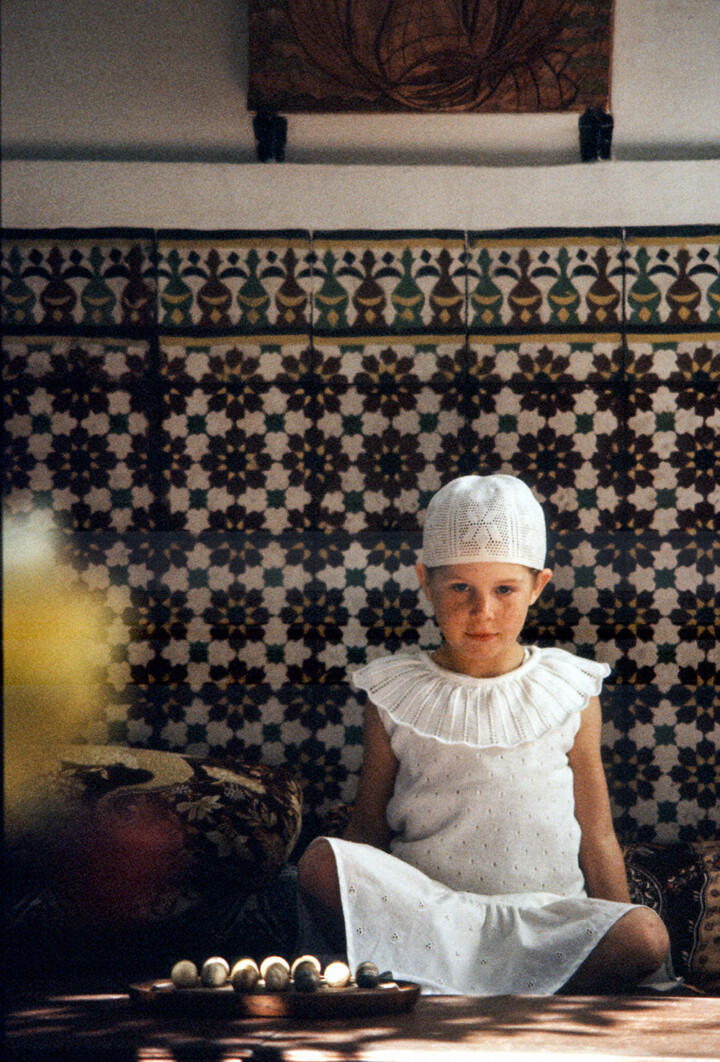
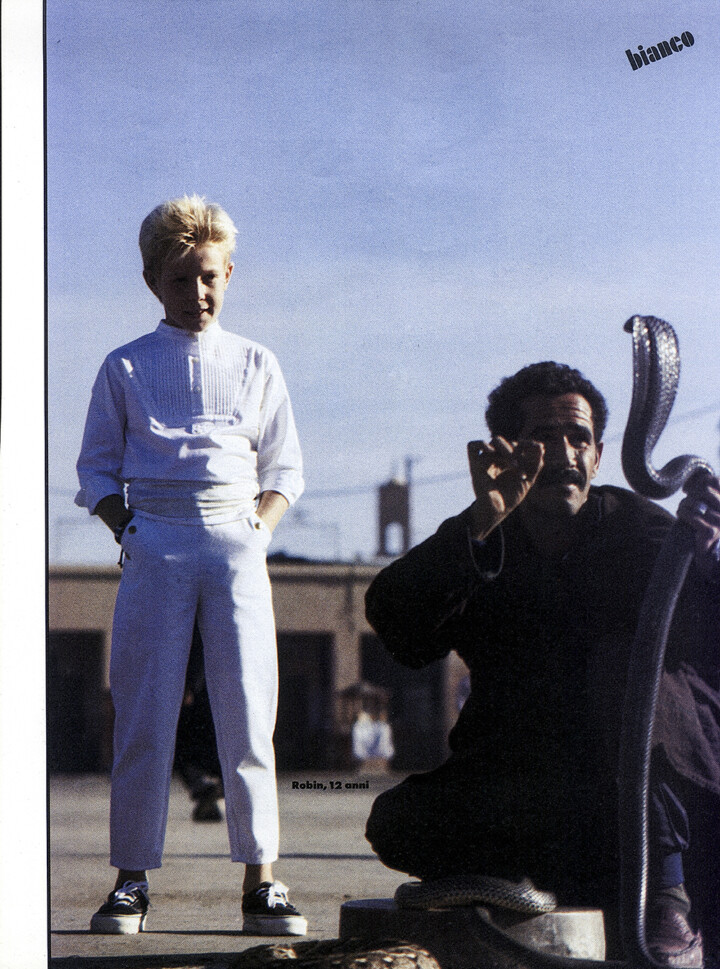
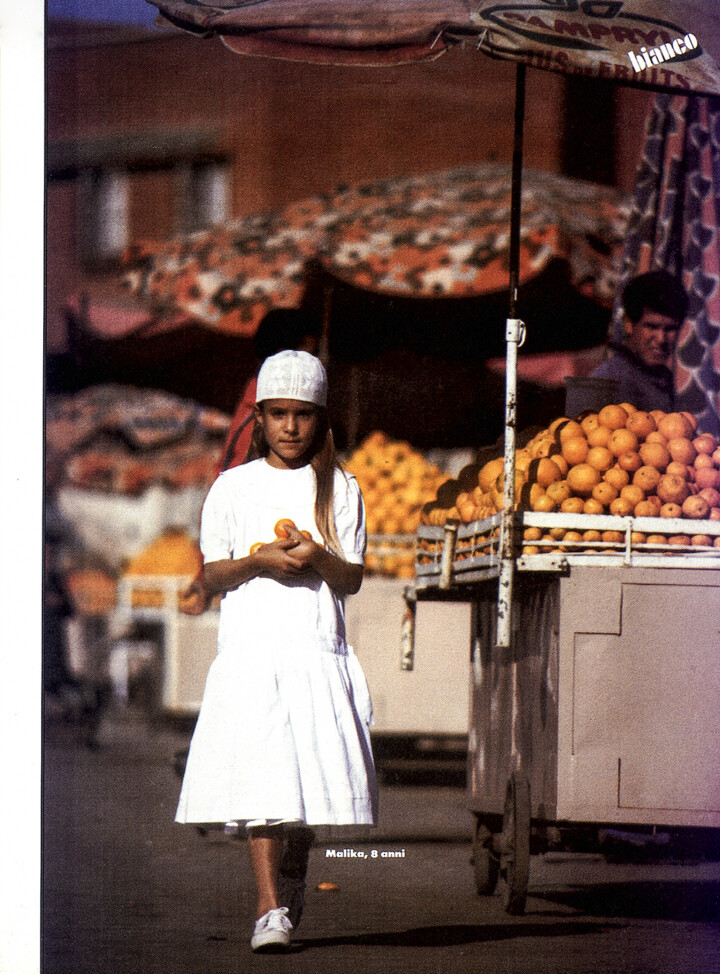
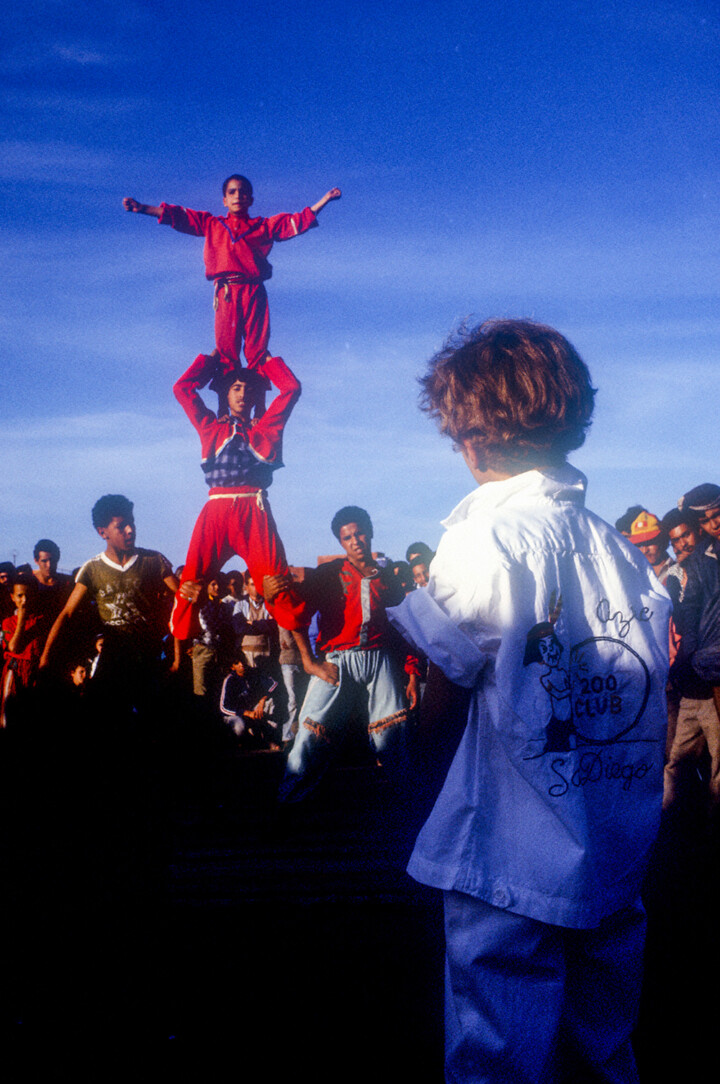
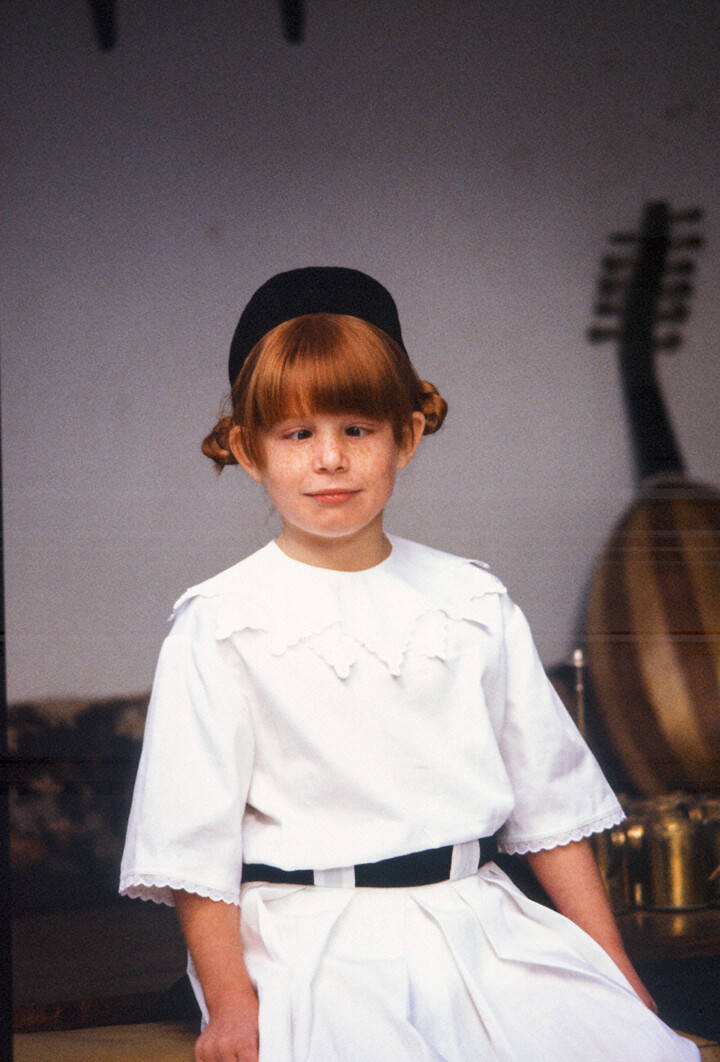
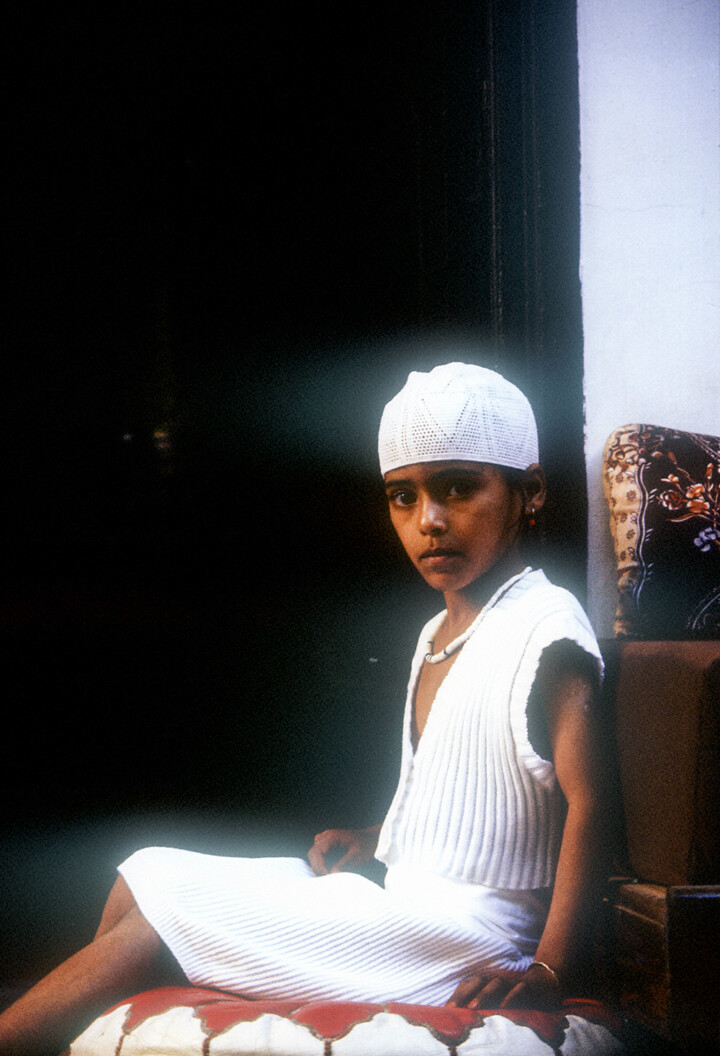
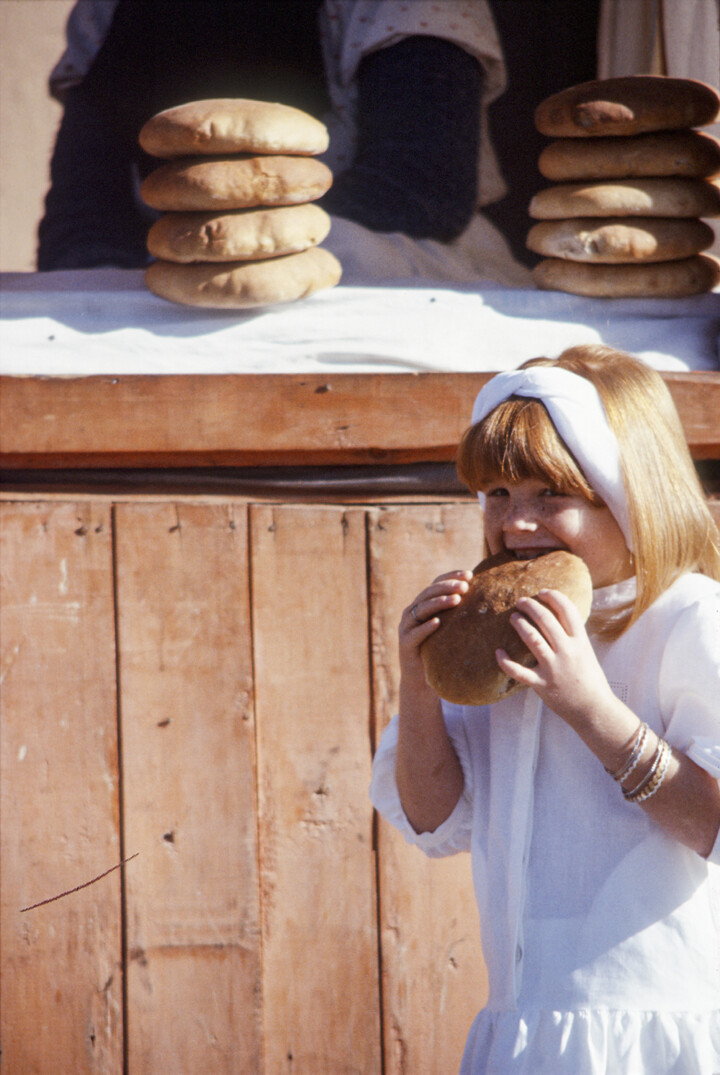
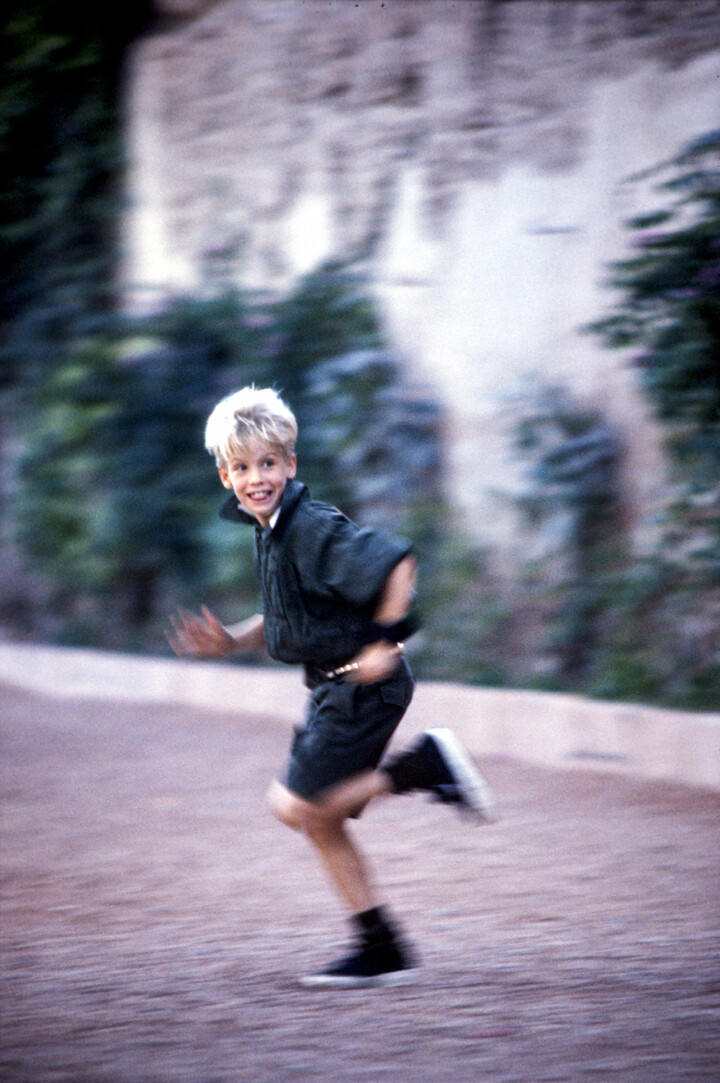
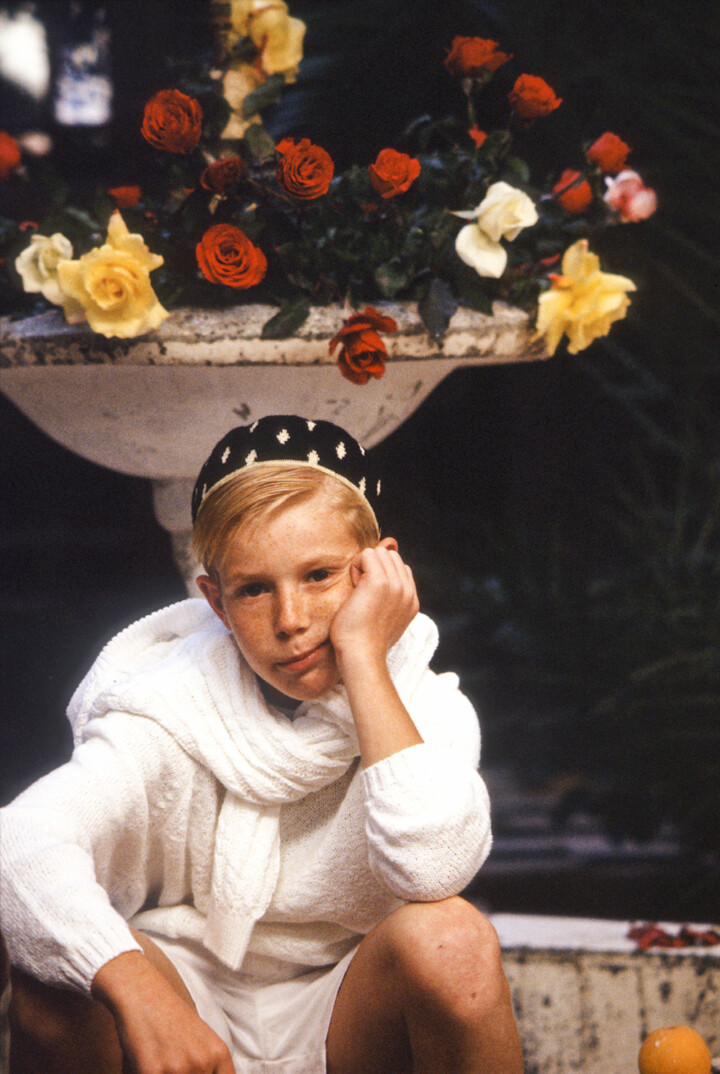
Going to Marrakesh, Morocco was interesting, for the country, the differences and the limitations. I went with Donna&Bambini, an Italian publication part of a major Italian publishing house at the same level as Conde Nast. We went as an Italian crew of stylists, editors and myself, to a French speaking country.
I had to learn the culture on the fly, and work on the sharp lighting of a place that was too hot to shoot during much of the day, and only small periods of time as the souk began opening (afternoon through evening) or intricate Moslem tilework indoors during the day. Working with the children of Morocco and French-Morocco, was gratifying, in dealing with their excitement, enthusiasm, their doubts, and my limited French.
Shooting editorial material on location is always a balance of content with location and safety. Getting the boy in a photo with a snake trainer and a cobra without endangering the boy in another language . . . was interesting, but only one of our adventures.

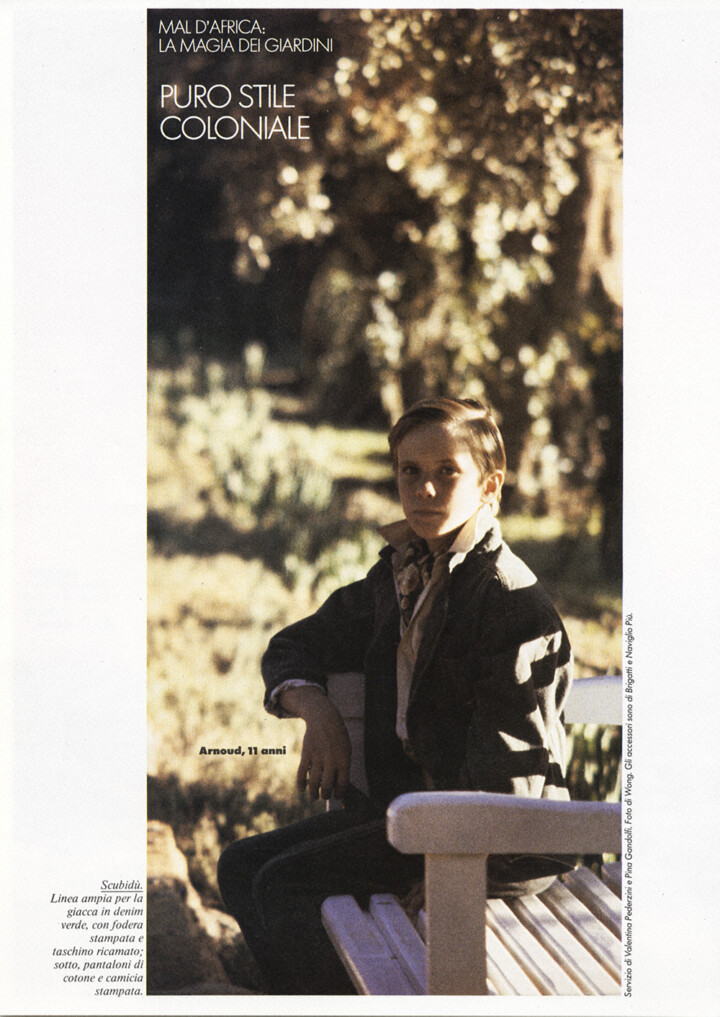
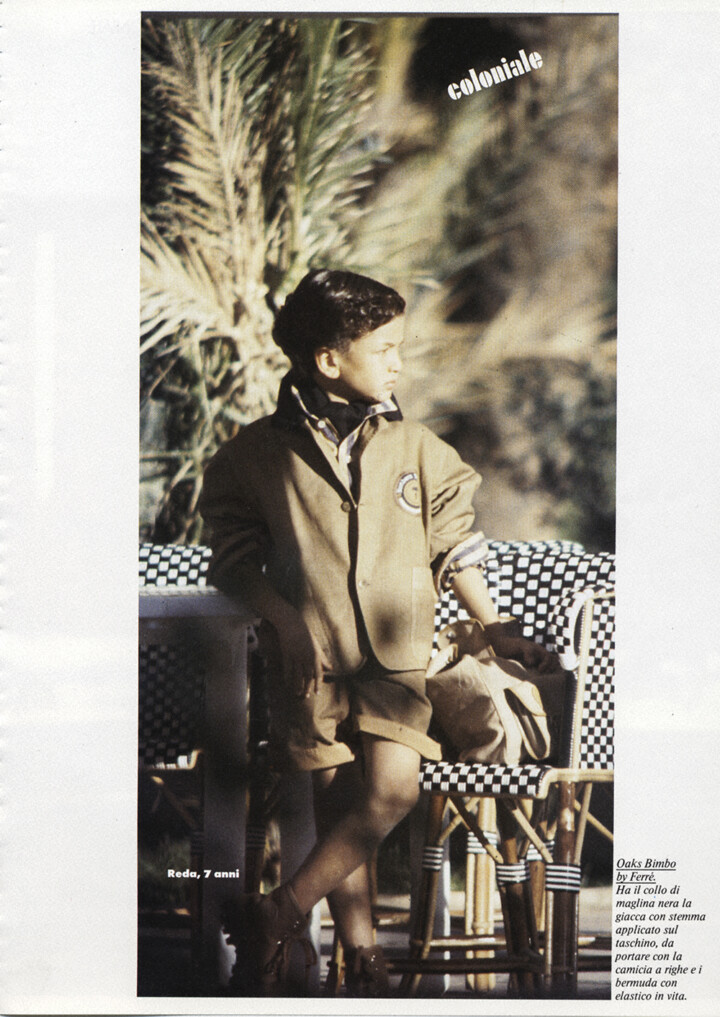
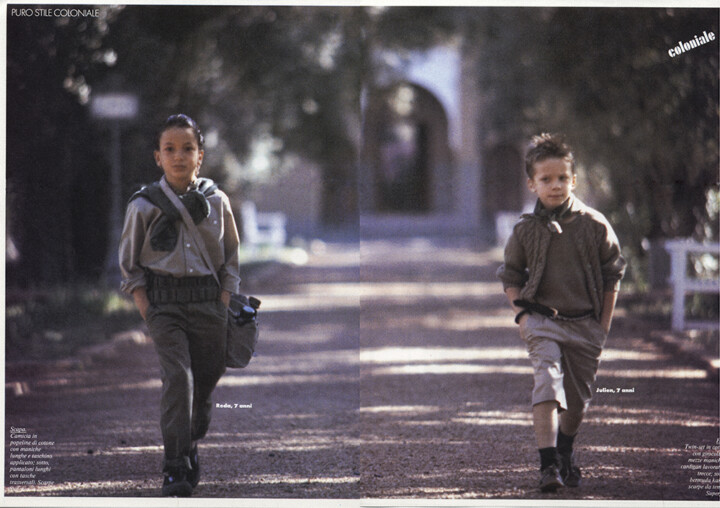
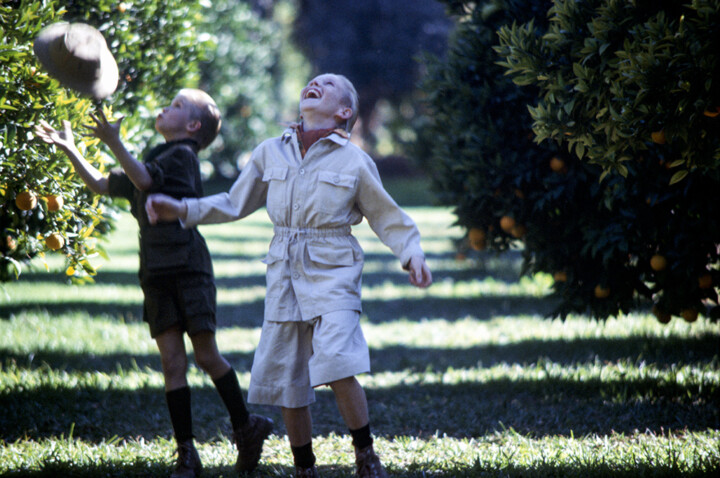
A City Dances - The Announcement
Phillip Wong Photography
Editorial/Opinion
A City Dances – The Announcement
Government is like everything else in life. It rests on a foundation of professionalism, organization, purpose and humanity. It has always been the way I see my own work, and am appalled at working with amateurs.
So while I analyze how, and why, and what is possible, seeing other people’s less analytical but more intuitive awareness gives me faith in our future.
In a society that often doesn’t make sense, it is inspirational to see the passage of knowledge, values and purpose from generation to generation.
New York sees things differently than many parts of America. It is a city comprised of people who think differently, who are physically separated from familial influences, and have both the ambition and determination to go their own mind.
And then there are those who are one or two generations in the city, but came through language, education and racial barriers or who’s immediate family experienced those barriers – and this makes them acutely aware. They are not only aware of differences, but exposed to them, and their focus is on the prize, not the distraction.
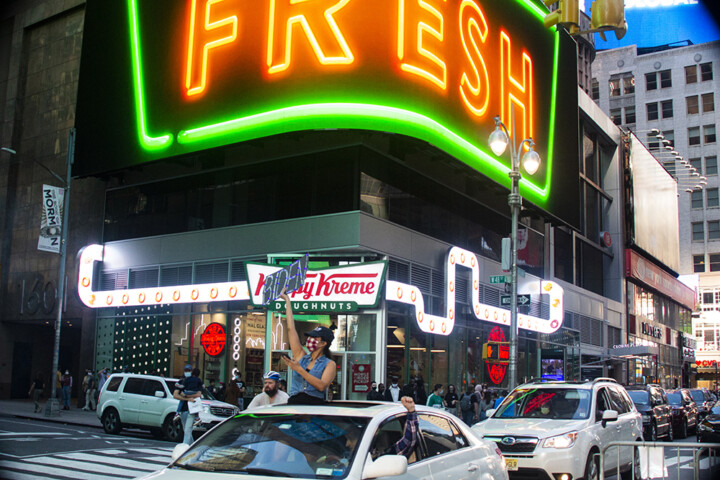
On the first day of early voting, lines wound around blocks multiple times, in various neighborhoods, Dominicans, Puerto Ricans, Haitians, were encouraging neighbors to vote, and in Brooklyn, food vans provided food to election workers.


I wanted to observe the cross-section of societies that were invested in the 2020 election, and their reaction to the election being called for Joe Biden.
When the election was announced, spontaneous groups flocked to Columbus Circle (in front of Trump Hotel), Union Square, Times Square, Barclay’s Center, Harlem’s 125th St. on foot, in cars, on bicycles, trains and buses. There were organized groups assembling as they marched to Times Square.
The joy and relief was palpable and rampant. While there was a police presence, large numbers of police just talked with an exuberant public


A City Reacts - After The Murder Of George Floyd
Phillip Wong Productions
Editorial/Opinion
A City Reacts: After The Murder Of George Floyd
I knew, after the murder of George Floyd, that there would be reaction.
In a world of seven billion people and a nation of 330 million, we often feel that our voice doesn’t matter. And if you are around thousands of other people, and hearing the same refrain over and over and over – you realize that there is a schism between what people see, hear, feel and experience – and what cloistered people in isolated offices understand.
It is like stepping in something, and experiencing the smell. You only can relate, if you’ve been there.
As I toured the city, in these groups of people, in the middle of a pandemic, with tension between police and people who were both irate, and trying to goad for reaction, there were officers, and civilians pushing to hold the line.
Maintain discipline, control tempers.
Officers were talking up discipline to cops, March Organizers were pushing back on marchers. Cops took off helmets to talk and hear complaints. I was struck by how many police were women and minorities. I wondered if they emptied out their academy and suspended off-days to display the diversity of their police force.
These were the people who have been there, seen it, heard it, experienced it – and their reactions.


COVID-19 Days that Plagued A City
Phillip Wong Photography
Editorial/Opinion
COVID-19: Days That Plagued A City
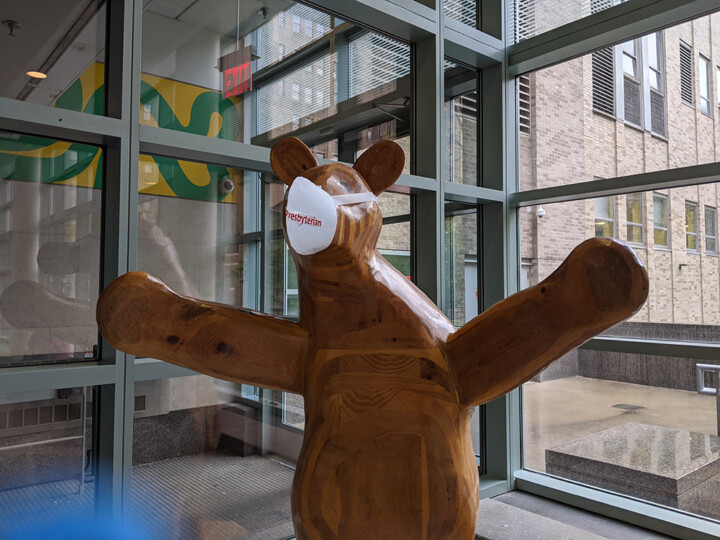
We are not passive spectators in this world. We are a part of it, it affects us, and it shapes our futures.
When we first began knowing about a coronavirus that was spreading throughout the world, it was already out. I had been shooting the New York Fashion Weeks shows in early February 2020, and standing pressed against photographers from Europe, Asia, Latin America and around the United States. In mid-February, I came down with a bad headache for a few days, which I rarely get, in later, in reflection, but without testing, I figured I had probably been infected.
When the first case in New York was recorded, the patient was taken to New York Presbyterian Hospital for care, and for me, all work, jobs, projects came to a halt on March 10. Calls went out from New York’s governor for help in hospitals, and daily reports told us how rapidly the situation was developing.
At the end of March, I was asked to help organize and deliver food into a series of hospitals to feed hospital workers who had been coming in from around the country, put up in hotels in New Jersey, bussed in every morning at 6a to work 12 hour shifts. It went on for weeks, and then months, before finally getting under control. These people had no life. They worked, and slept. They had no place to buy food, no way to get anything, and this was one of the only ways they could survive.
Every meal time, someone was sent out of closed COVID units, with carts to pick up food and water for everyone inside each unit. They could only afford to send one or two people out, per meal – because they didn’t have enough Personal Protective Equipment (PPE).
The loading docks were swamped and chaotic because workers were getting sick, they were undermanned and didn’t have enough workers for 24 hours, seven days a week shifts.
Later, as the city and religious organizations, and restaurants, and private citizens began to create food banks to pack and distribute food for families, I was asked to help. This time, in the packing centers. 80 workers, working at minimum wage, packing 60-80,000 boxes a day, for distribution to churches, senior homes, nursing homes, neighborhood centers, pallet after pallet.
I took a few days off between these projects, and before the city came online, to photograph the city in lockdown.
This is the story, while some in a nation scoffed.


As It Develops - Our World
Phillip Wong Photography
Editorial/Opinion
As It Develops – Our World
I started out many years ago, as an investigative reporter. I learned on the fly, about Truth. How to tell the Truth, how to recognize the Truth, and how the Truth sometimes was the mortar between the cracks, rather than the bricks that everyone sees.
The newspaper that hired me, didn’t have a budget to have a photographer full time, and they gave me a camera – and while my investigations took forever (I thought), I began shooting spot news – hunting for stories, pitching stories, trying to persuade my editors to let me go.
Over time, I learned more about photography, drifted (through one of my investigations), into fashion photography, which is an industry I have thoughts about, but in this period of time, I recognized that some of the great issues of our time, that have been building since I began, have become important to document.
As a pandemic raged across the world, struck New York, I rushed into helping deliver food to hospital workers, but took a day off at the height of lockdown, to look at New York, and then when George Floyd was killed, the protests that followed, and then the election and the Announcement.
These are some of the moments.


A City Reacts: After The Murder of George Floyd


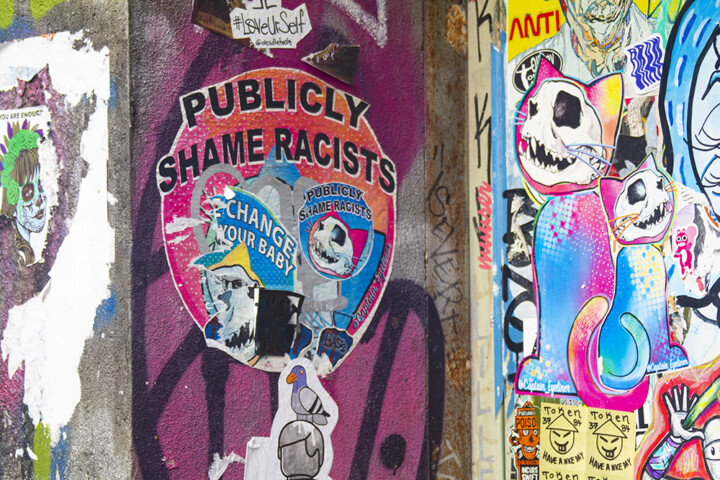


A City Dances: The Announcement