Phillip Wong Photography
Fashion Photography
The Art and the Commerce
The Commerce and Art
of Fashion Photography
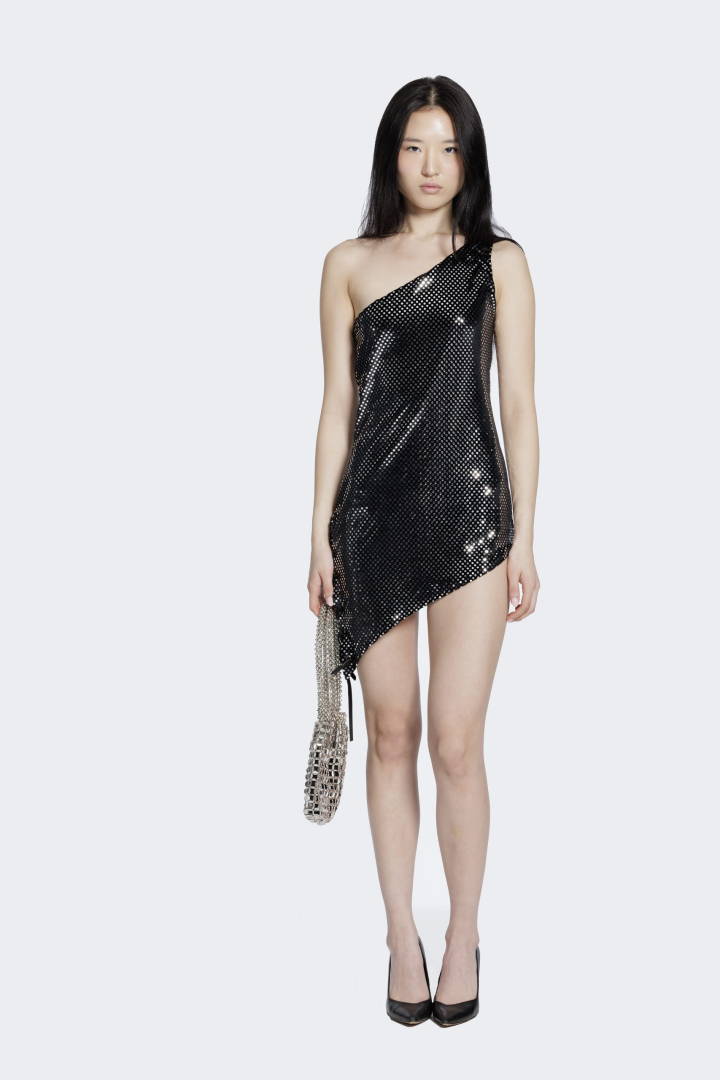
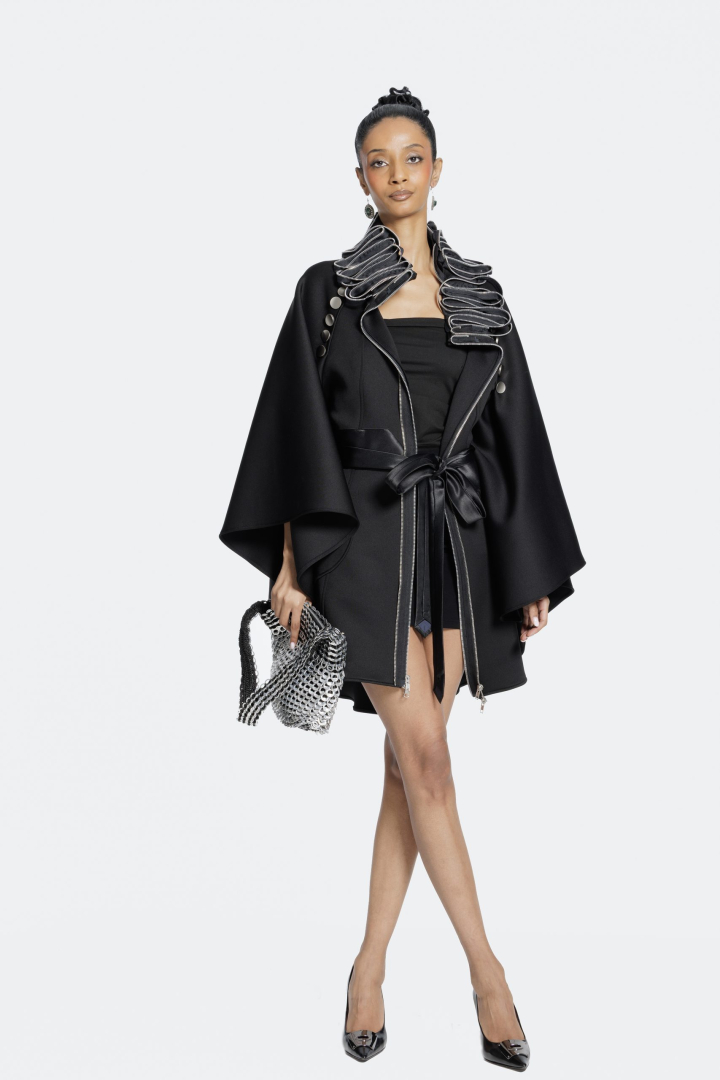
Bringing Fashion to Market
There are three areas of Fashion Photography:
Defining an Audience:
Finding an Audience is a vast world of 8 billion people, is finding ways to get attention, get reaction, and get connection. In a world of 8 billion, image cuts across all lines of language, culture, taste, style, and if done well, connects the name of the Brand.
Defining the Brand:
The most storied companies find a way to connect their Brand to their Audience to leave a lasting impression – the same kind of relationship as a marriage or an unforgettable experience – Apple, WWE, Taylor Swift all do this.
Displaying the Product:
This is where the deal is closed. Decisions are made, and money is put down. This is where fears are alleviated, questions are put to rest. Look at these photos from the perspective of the intent.
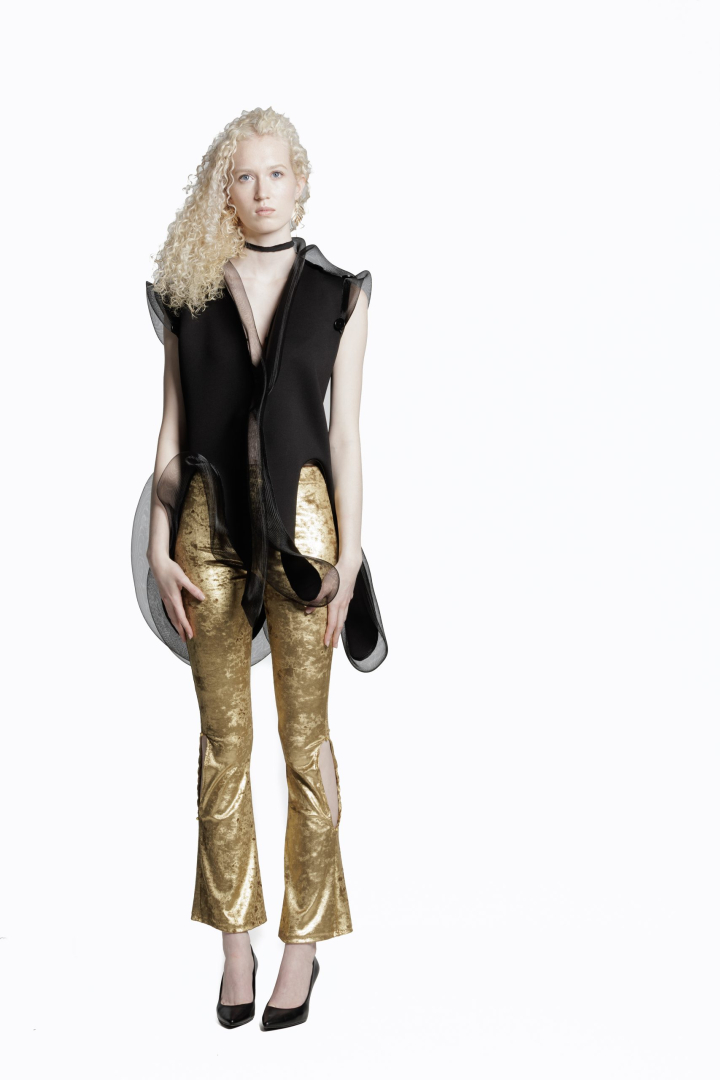
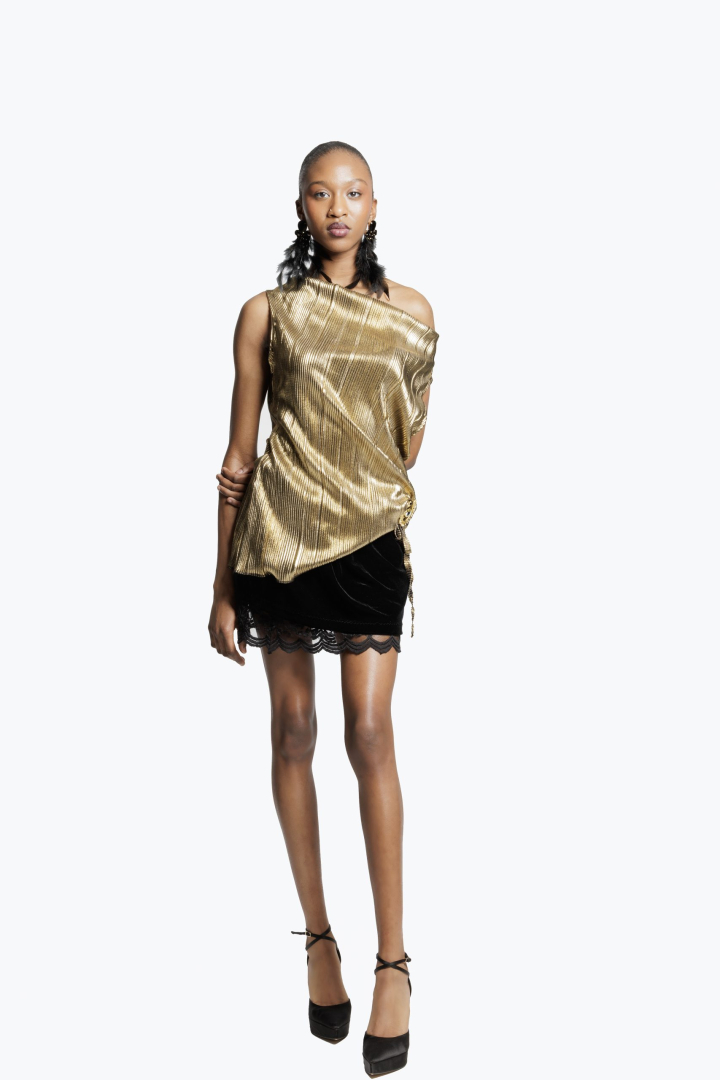
Crafting an Image – Crafting a Feeling
As a tool, photography tells a story that crosses language barriers, boundaries of time and culture. It is immediate and can be lasting. Understanding how the impact can work, gives it greater power.
Editorial photography, should be like film, telling a clear, decisive, story that, from the photographer’s place, captures the emotion and thought, and from the audience’s position, discovers feeling, and enlightenment.
Fashion Editorial, is not JUST about the designer, the clothing, but who and what and where and how and when of the story – and how the audience feels (and later thinks). It is about character, time, place, and forever. Good stories never end. Everything else, is forgotten.

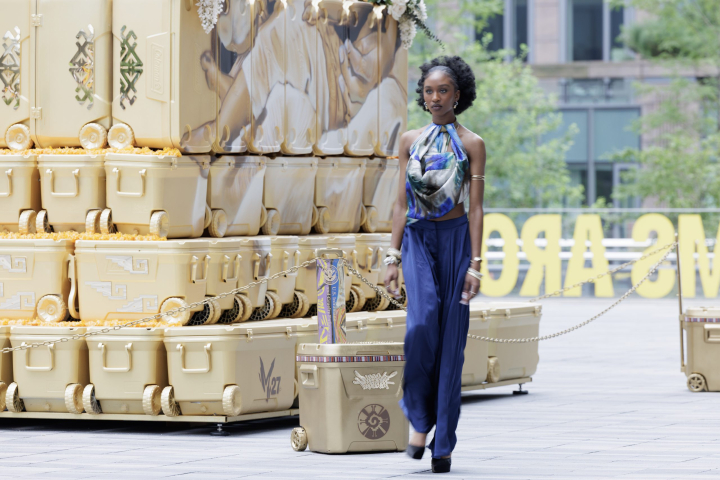


Fashion in Commerce
Historically, photography has been entwined in fashion to show potential buyers all the visual qualities of garments designed through the years.
While fashion has been shown in magazines since the 1940s, the use of photography in fashion really expanded from the 1970s to the early 2000s. But as with many other industries, as the markets became global, the need for the markets to see what was being designed, created and produced in one part of the world, needed to be seen globally.
Consumers need to see the items they are considering. They need to feel and be both inspired and reassured. Can a photo do this? In the absence of a real object or idea?


A Brand Lasts Forever.
A Design is a Work in Progress.
To show a designer’s designs, we have to KNOW what the designer does, why they do it, what they intend, intuitively.
To show a Brand, there is an identity, what connects the brand, to the audience. But in the e-commerce world, there also has to be an understanding of the customer who needs to see, understand, something they are taking a chance on.
But photography as a tool, in anything, has to serve a function, in the most basic of situations. That does not mean it has to be done without thought, purpose, intent, and an awareness.

The Camera only Captures what the Eye Sees.
Photography may be an art form, or a tool, in itself. But unlike painting or writing, it creates only what actually exists. There are other art forms that can leave reality and deal with imagination. So when photography crosses into fashion, landscape, architecture, nudes, dance, portraits, it has to begin with what actually exists, and then look to the looker’s perception of that reality.
Fashion was a subject that I wasn’t raised with, but I had a sense of, from my father’s architectural calling, and his assimilation of the Bauhaus of Mies van der Rohe, and the philosophy of Frank Lloyd Wright – “Less is more” (Mies) and “Form follows function” (Wright).But I was drawn into the melding of fashion and glamour and story of Helmut Newton. And the poetic composition of Akira Kurosawa.
Using the tools of Image Making,
the Story is the Designer’s backstory,
the Product’s story of creation,
the Audience’s story of how it feels.
That is what Phillip Wong Photography does.
Swimwear On Location
Phillip Wong Photography
Fashion/Editorial
Swimwear With Soul: On Location
Shooting swimwear seems easy.
A model. A swimsuit. Natural make-up and hair. Location.
But shooting on location makes everything more difficult. The sun. The changing time of day. The volatile weather. And shooting on a beach removes the production from access to anything.
For commercial photography, in a controlled amount of space, the apparel has to look good, but editorial image-making is more dynamic, balancing the awesome beauty of our world, with the beauty of the model and the created beauty of what she is wearing.

This was shot on the Quai d’Orleans across from the Cathdrale Notre-Dame de Paris and a grey, foggy day for an editorial shoot. It epitomizes what I look for in fashion editorial photography: mood, mystery, story.
Regardless of how provocative, sexy and glamorous a shot should be, there should always be an eternal undercurrent of classicism.

We searched and found, many locations on Kauai, Hawaii, but the undercutting of the island by the pounding surf, created these dramatic overhangs that balanced the landscape with the simplicity of the swimwear, and the color of her neckwear.
The model was perfect. Her projection echoed the natural strength of her background.


While straightforward fashion images should show the cut, the silhouette, the colors and the quality of whatever the model is wearing, it does not (nor should it be) boring.
I always consider that if I don’t care about the model, the image, or what she is wearing, why should anyone else care? The image shows the world, from the eyes of the photographer. Even if it is commercial, there is still an element of art, that lurks.

My visions have been shaped by film. But all of us, have been shaped by the media that comes into our lives and influences us.
We had been shooting at beaches all day in Southern New Jersey and clouds were forming as we came into a town that the make-up artist knew had a stream with a bridge. In the middle of town, as the rain began to pour down, I sent this model onto the rocks in the monsoon. She instantly understood the drama behind what we were doing, and from our struggles with pushing aside the rain pouring around us, we got this image.


The context of body, fashion, nudity is very different in Europe than America. There is a maturity and sophistication in Europe that is resisted in America, while being denied.
I shot for Italian, French, German and British publications that all encouraged the freedom of my vision to create images that would involve their audiences. In a world in which there are 20+ languages on a single continent, their ability to communicate non-verbally, influencing emotion and stimulating thought, drives for a subtlety and sophistication which is denied in America. What is considered daring and provocative in America, is considered interesting, in the parts of society that our commercial world, wishes to reach.

Contrast draws attention. But differences hold attention.
The ability to get an audience’s attention. And then hold it. Is critical in an often chaotic world.


Donna & Bambini: French Morocco and Children
Phillip Wong Photography
Editorial/Fashion
Donna & Bambini: French Morocco and Children
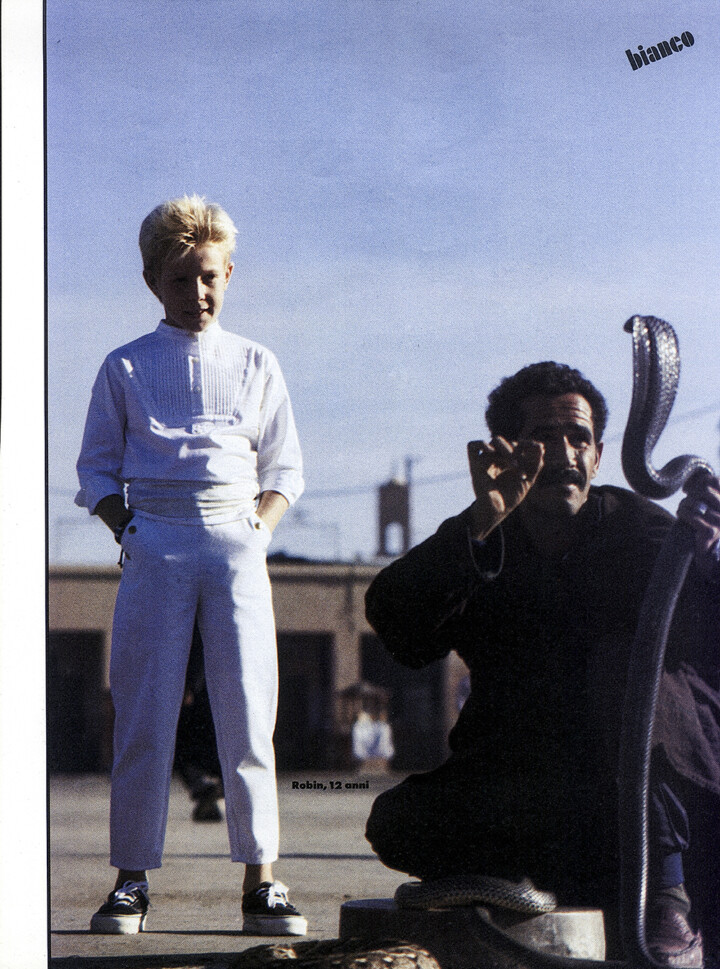
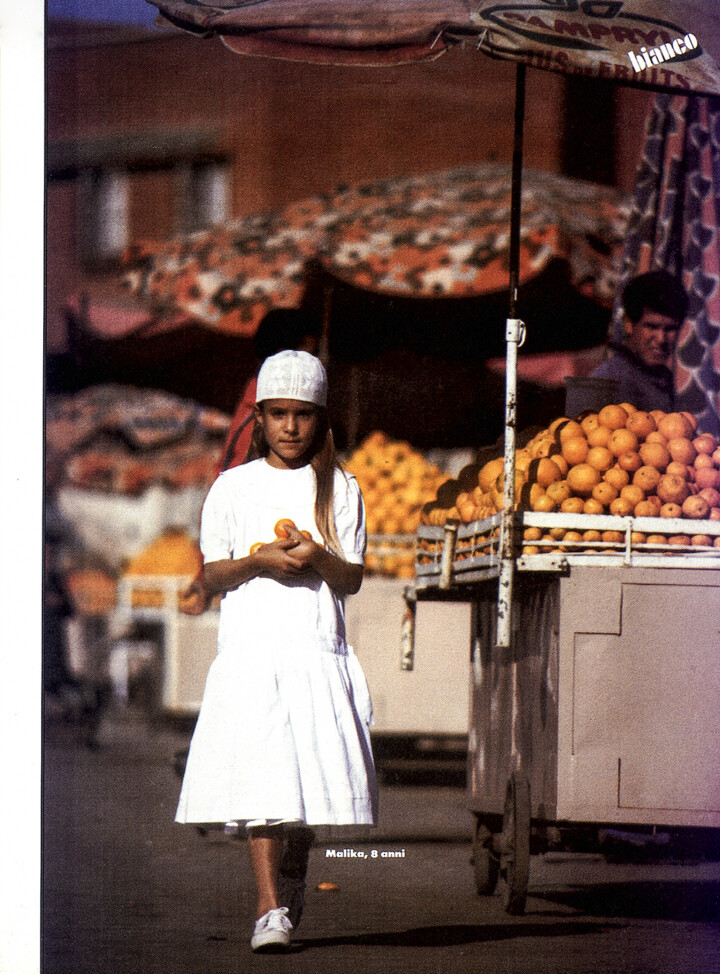
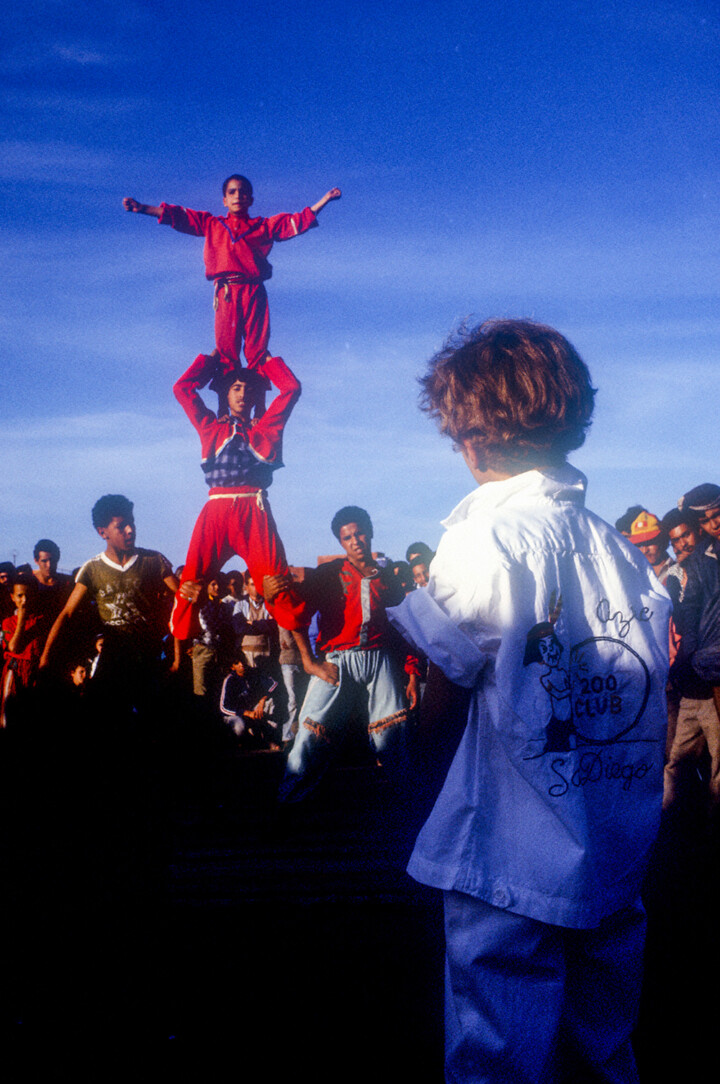
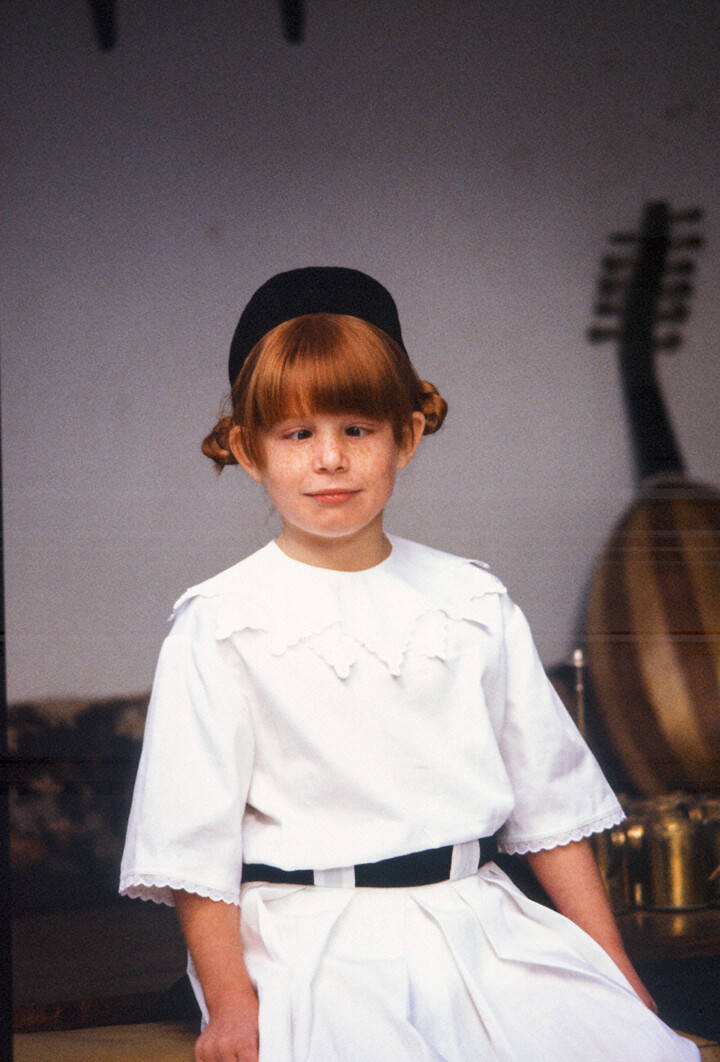
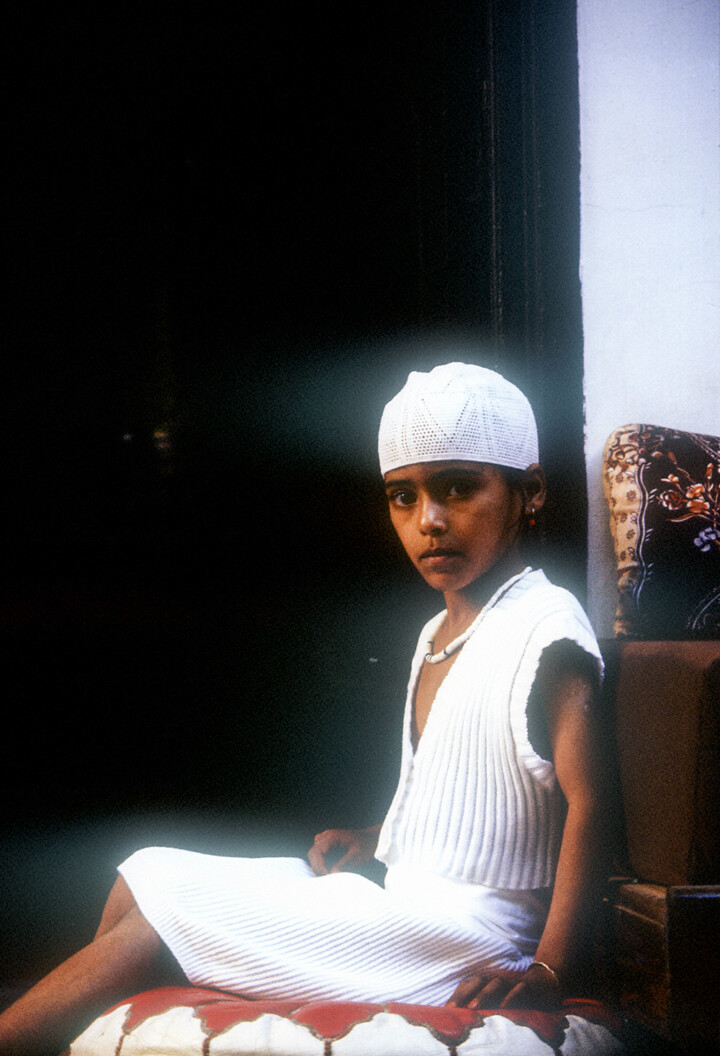
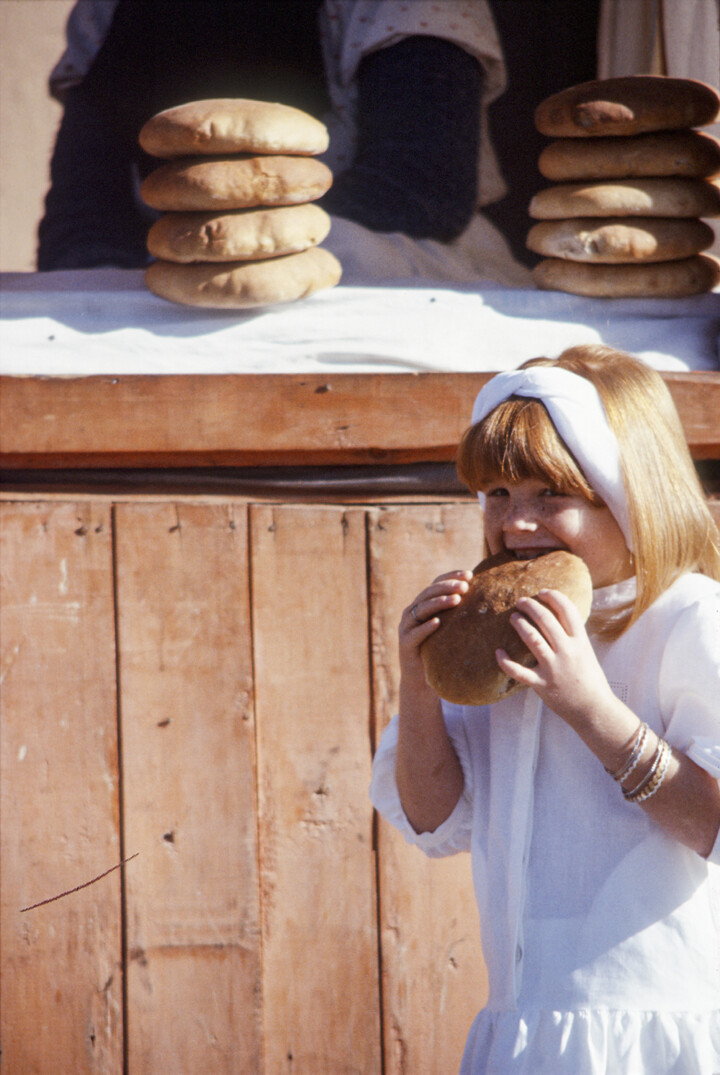
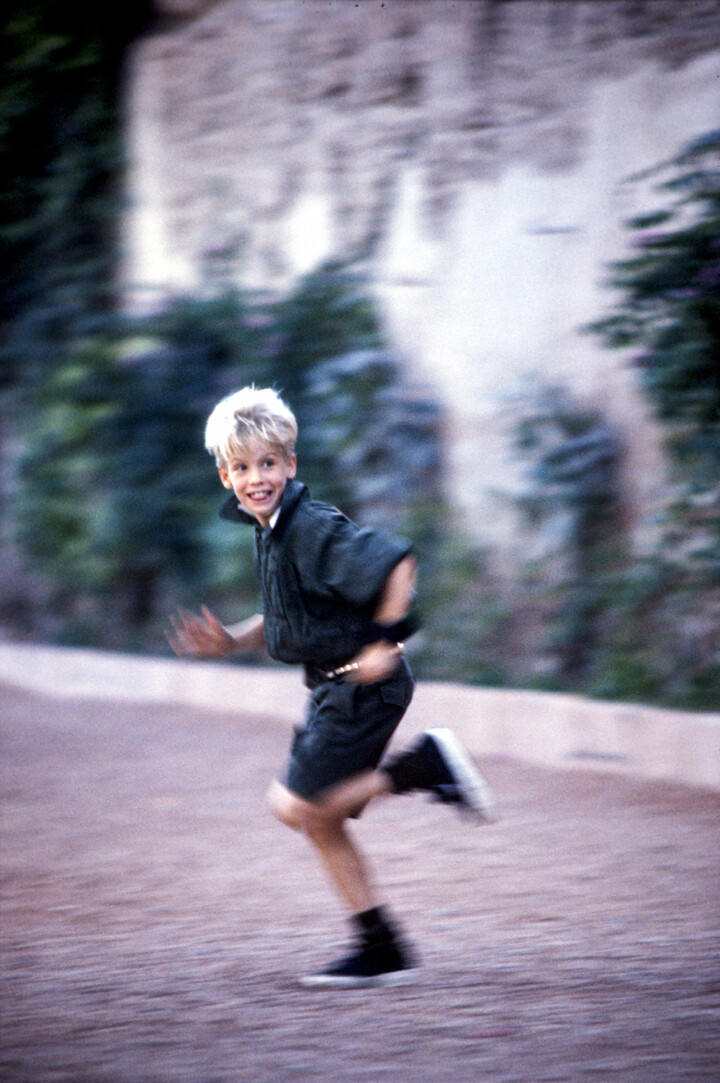
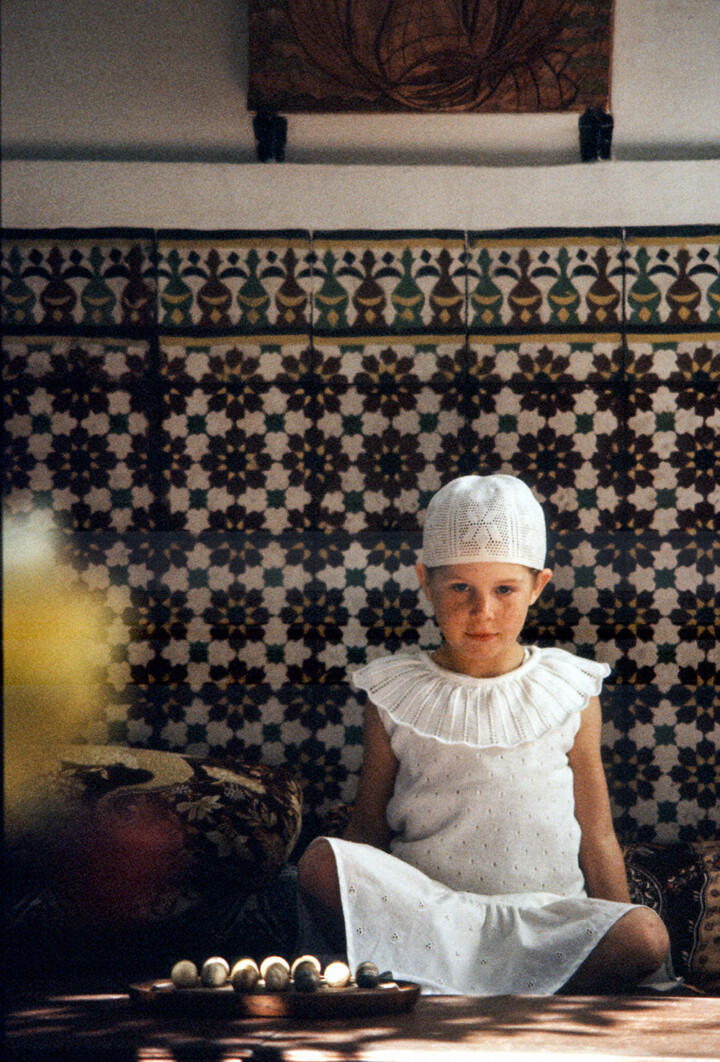
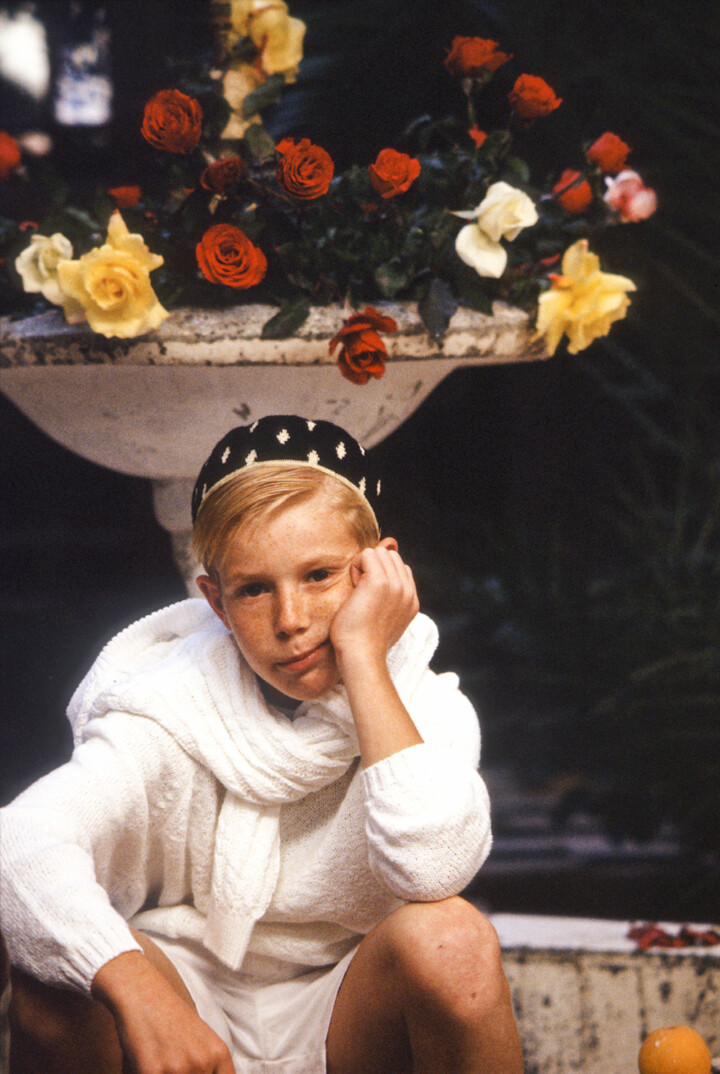
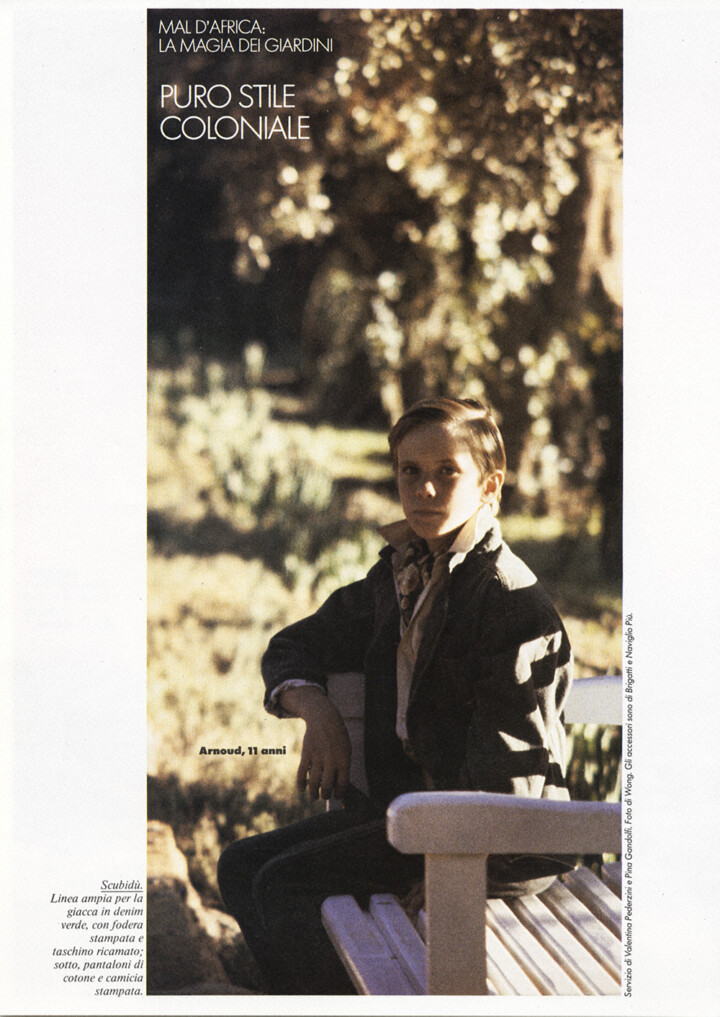
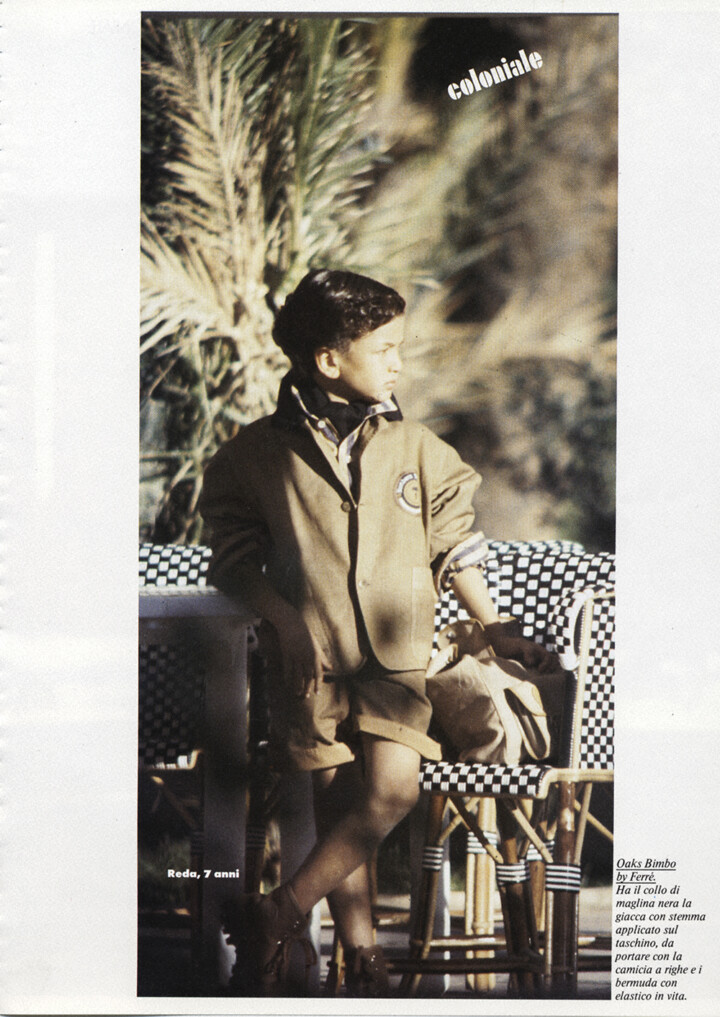
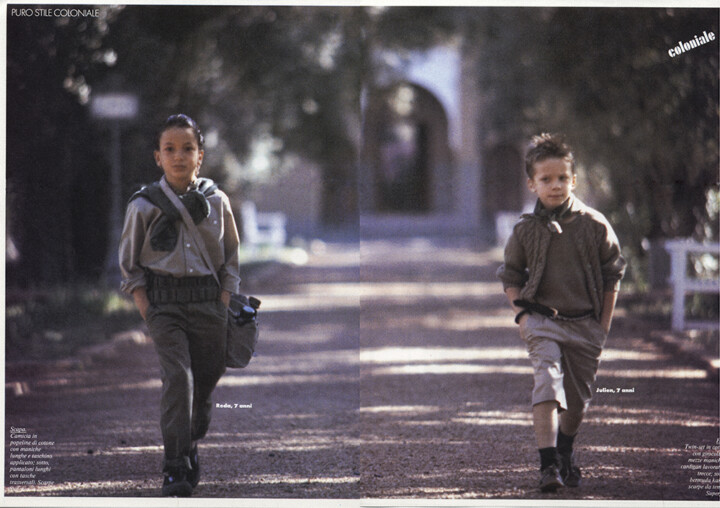
Going to Marrakesh, Morocco was interesting, for the country, the differences and the limitations. I went with Donna&Bambini, an Italian publication part of a major Italian publishing house at the same level as Conde Nast. We went as an Italian crew of stylists, editors and myself, to a French speaking country.
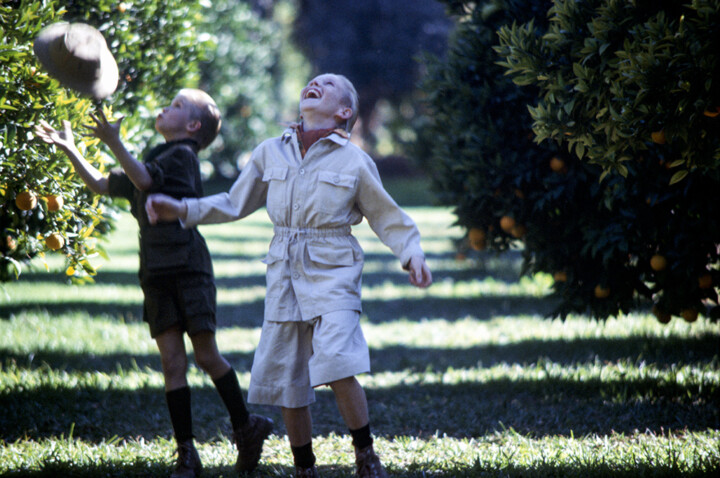
I had to learn the culture on the fly, and work on the sharp lighting of a place that was too hot to shoot during much of the day, and only small periods of time as the souk began opening (afternoon through evening) or intricate Moslem tilework indoors during the day. Working with the children of Morocco and French-Morocco, was gratifying, in dealing with their excitement, enthusiasm, their doubts, and my limited French.
Shooting editorial material on location is always a balance of content with location and safety. Getting the boy in a photo with a snake trainer and a cobra without endangering the boy in another language . . . was interesting, but only one of our adventures.
Mixer Magazine - Tortured Souls
Phillip Wong Photography
Editorial
Mixer Magazine – Tortured Souls – Five Doors – Personals
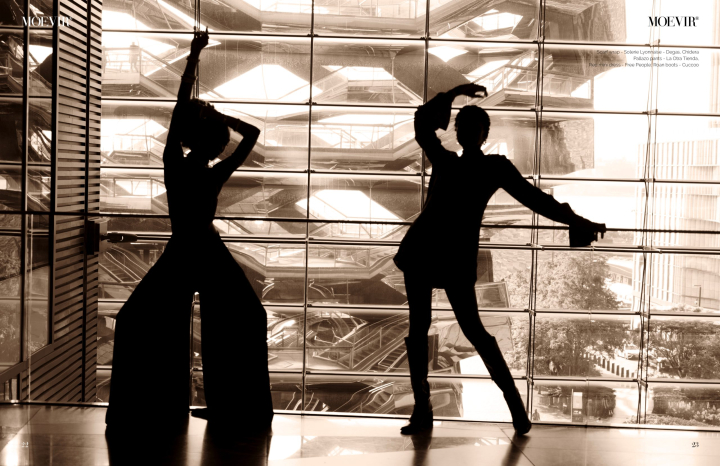
MixMag changed their name to Mixer Magazine while I was shooting fashion and profile images for their DJ-focused and music event oriented publication. I wanted to show the differences
Tortured Souls was one of a number of fashion editorials I did for them based on whimsical stories we thought would be different in approach to mainstream fashion.
It was released in early Spring, but had to be produced immediately after New Year, and I shot it on New York streets on a cold, windy, wet night. I usually didn’t abuse models like this but was grateful for their participation and support.
The clothes were all showy, nightlife, pulled together because the publication had so little production time or resources, but I wanted to create the feeling of illusion and excitement of the night world.
But Mixer had a whimsical, ironic approach to fashion and Five Doors and Personals mocked parts of society that it’s readers had knowledge and relationship of.


A Magazine
Phillip Wong Photography
Editorial
A Magazine
“A” Magazine was a publication aimed at a younger Asian audience. I was asked to do this shoot with a group of Asian models and actors who were cast by the editors of the publication.
It was interesting for me, because while I have an extensive knowledge and understanding of race, color, diversity identities, it has always been from an “outsider’s” perspective. This project gave me another view.


Pellice Moda - Rail Yard
Phillip Wong Photography
Editorial
Pellice Moda – Rail Yard
In working with luxury goods, and in luxury environments, I’ve always been aware of contrasts between the most valuable of items, the people who wear them, the people who create them, and what creates the idea of “luxury.”
Contrasting the luxury of furs and the Old World that embraced that idea of luxury, with the age and romanticism of that world – I convinced my editors at Pellice Moda, that the editorial story would have beauty, interest and appeal. They introduced me to Nadya Khamnipour, a stylist who’s work I loved – lush, whimsical, contrary, resisting cliche, her combinations of accessories with textured clothing created a balance with my need to focus on the evocation of emotion, or a stark, textural landscape.


Italian Vogue - Intense Silhouette
Phillip Wong Photography
Editorial
Italian Vogue – Intense Silhouette
I used to describe the difference between working for European publications with America publications like this: In Europe, as a photographer, an artist, a creative, someone outside, with a wide mix of influences and resources, I could propose something, and while editors might not understand completely, they trusted in that background and allowed me to produce the piece.
In America, I described publications as having a “Donald Trump mentality.” The people in offices, cloistered and separated from the trends and developments and people on the ground, dictated that “this was the way it was.” This was the way it was going to be. And because I was simply hired with a camera – I would do what I was told. (I was defining this “corporate” way of looking at the world, in the 1990s).
Italian Vogue editors didn’t always understand what I was trying to describe (a cross between imperfect Italian and overly complex English), but they often let me go ahead. They had products or trends or parameters which they wanted to cover (they had writers already working on an article), but they were looking for “creative,” “different,” “interesting,” visual images. (Not surprisingly, those were some of the first words I learned in Italian.)
I had been looking at textile shops and in New York, found some stretchy tubular material (I later found was used for undershirts), and bought a few rolls of it. In Milano, I tried wrapping it, and liked the form-fitting quality of the material – but didn’t see what I could do with it.
Alberto Nodolini, and Luca Stoppini, handed me off to Vogue Pelle to shoot some handbags for a story. I saw the stark composition and silhouette of the bags, and wanted to contrast it with the forms, shapes and curves of the human form.
The difficulty of accessories has always been the proportional difference between any accessory and the human body. When other items are added to the mix – they can create distractions.
They let me run with this:


Brands - London
Phillip Wong Photography
Fashion/Editorial
Blitz Magazine – Brands
While I have worked for established publications and designers, I have also sought to work with smaller, newer, developing and potentially influential magazines and designers.
In London, The Face, ID, and Blitz came from the street to make influential statements in graphic design, photography and styling. The editors and graphic designers at the emerging publications shaped the publishing of France, Italy, Britain and New York as their work was recognized.
Neville Brody, at The Face, commented on my choice of framing and composition, as editors from all three publications called when I went back to Milan, and they wanted content from the Continent.
Branded was conceived by Blitz in London, but as all these publications were constantly on a tight schedule, they gave me a day to plan, shoot and send the material back to London.
I was given a handful of branded items, booked friends who were available that night, shot everything on black and white Polaroid film, turned everything around in hours and had it going back to London by morning. It reminded me of spot news photography in speed and production.
The graphics on the vertical page sides echoed the the extreme sharpness of lighting and starkness of the black and white but was done in London.


Bridal - Richard Glasgow
Phillip Wong Photography
Fashion
Richard Glasgow
Bridal
Bridal is one of the niche areas of fashion that remains couture. Very specific, very focused, and classic, it is detail oriented, and each image takes a team of people working for longer periods of time to obtain the designer’s desired look.
Richard Glasgow designed gowns are still sought after by elite bridal shops around the world. Most top end designers work on a single piece for a single client to be worn once. The workmanship and detail is of premiere importance, and designers loved my attention to their detail, my understanding of their form, shape, and subtleties. But the patience of models to shoot only six garments per day, and the detailed arrangement of a fashion piece while on their body, was a trying experience.
Over several seasons, my choice of lighting was based on understanding how the gown was designed, what it was meant to achieve and how a wedding audience, and sales audience differed in their focus.


Rust Belt
Phillip Wong Photography
Editorial Photography
Rust Belt
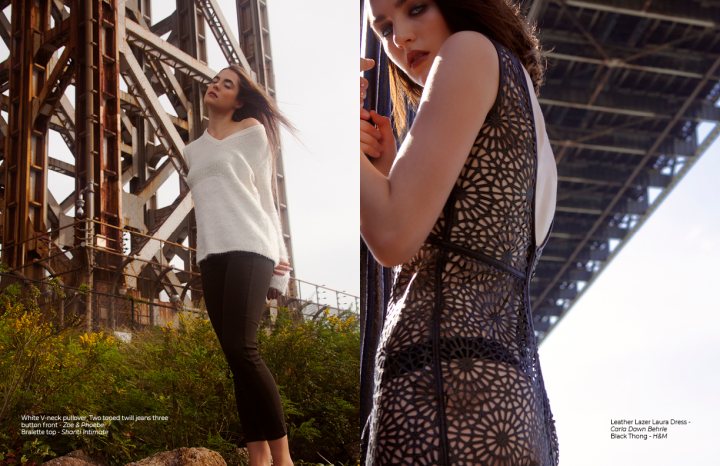
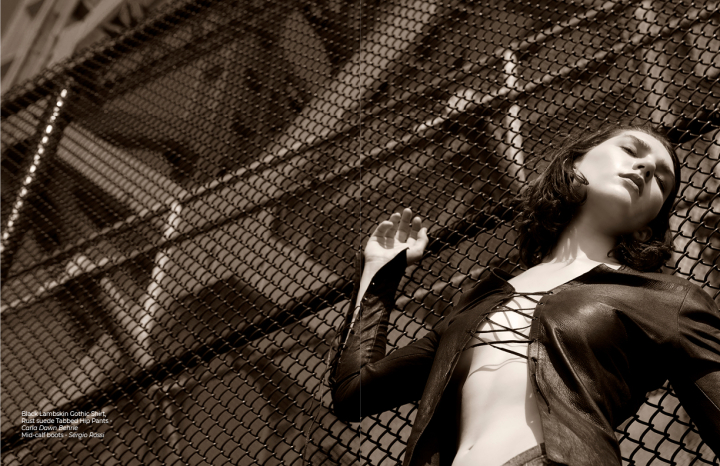
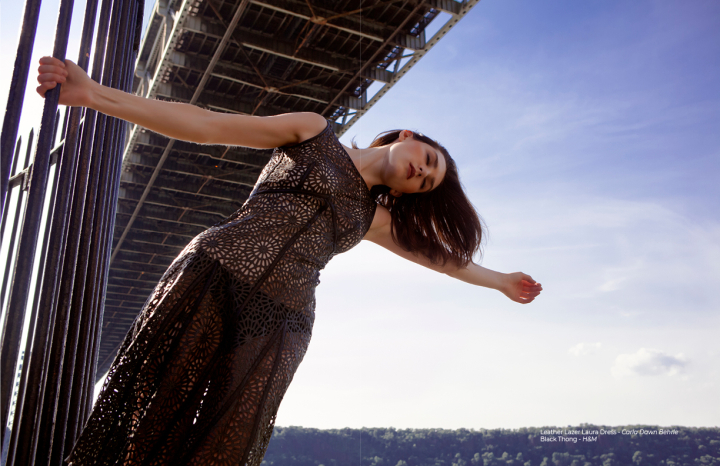
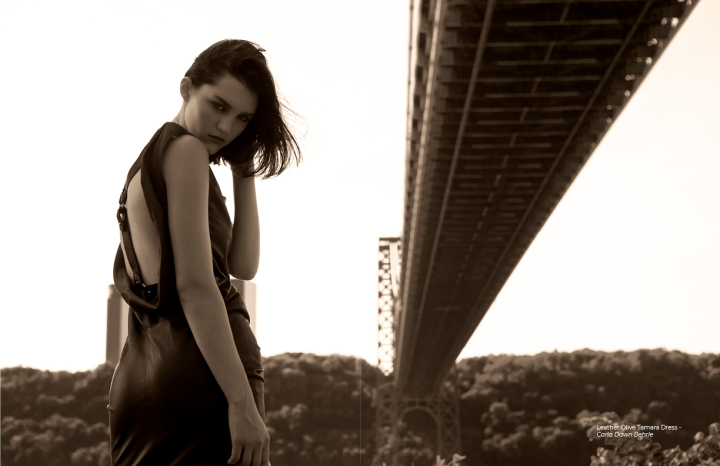
Rust Belt was one of two editorial fashion stories shot at the same time at the Little Red Lighthouse under the George Washington Bridge.
Back in the early 2000s, Peter Jackson produced three films in the Hobbit tale at the same time – utilizing the ability to produce the stories in sequence, while maximizing the budget of cast, crew and location. Since then, multiple television films have been shot the same way.
That had always been my goal, to produce editorial that would utilize story to thread elements together.
It takes greater coordination and communication to do this, but the output can be significantly greater.