Phillip Wong Photography
Fashion/Editorial
Choosing Photography
Decisions Decisions Decisions
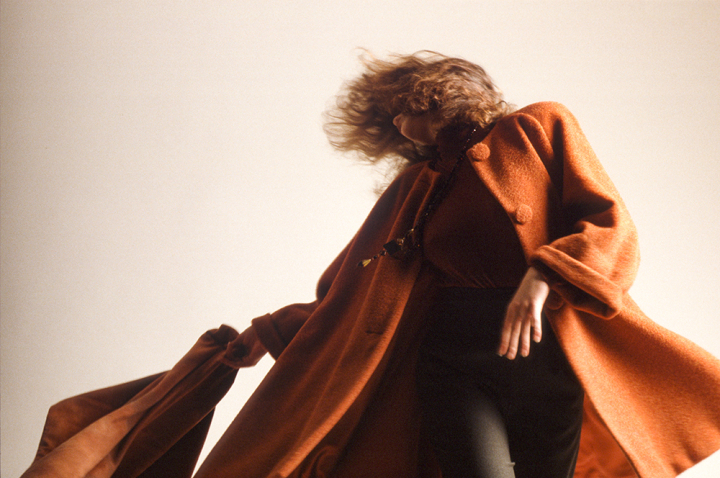
The Decisions We Make
I am always struck by organizations which make decisions without knowing what they look for in hiring people, or why they choose one vendor or subcontractor, over another.
At some level, we are all the same. We are interchangeable and replaceable. But at a much different level, for those who understand – there is a huge difference between a Van Gogh painting and something you pick up during a summer’s art fair.
They are both paintings. Right?
I seek clients, and I hope that clients seek Phillip Wong Photography. with the same intent as a connoisseur, or an expert in communications.
We can’t expect every client, or photographer to be experienced, or understand whichever level of audience we are seeking to connect with, but that is why we develop strategies of creation, production, placement and audience connection.
Whether in organizations seeking to connect directly with an audience on the street, or in a board room, or B2B, the way we connect is different.

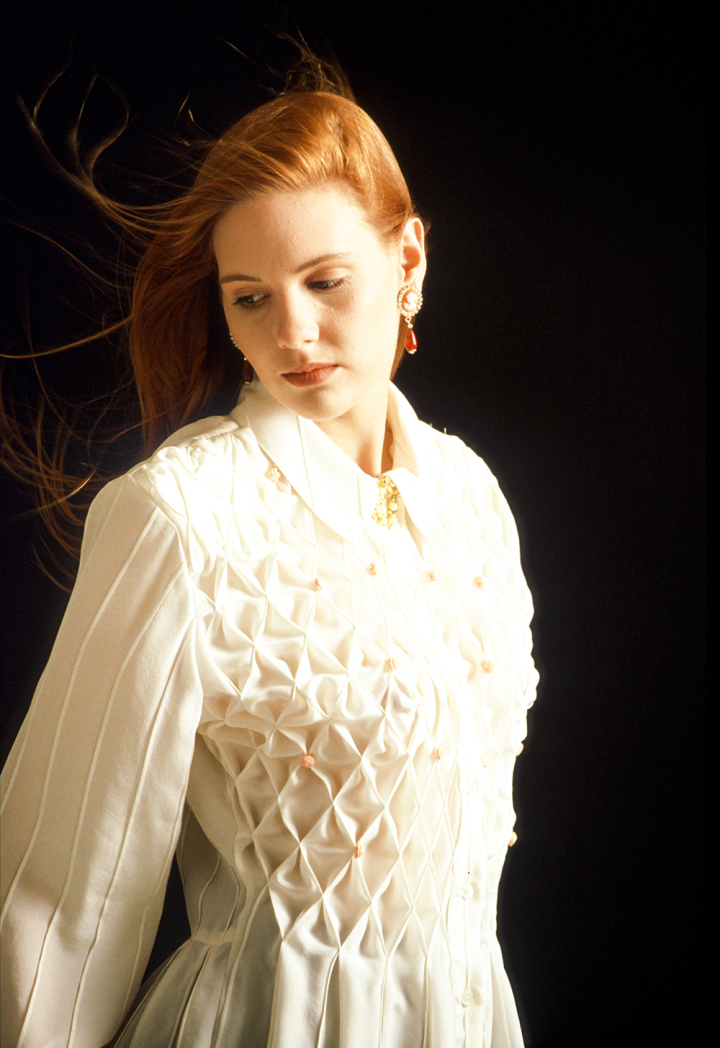
Objective and Subjective
When we make organizational decisions – there is a core element of “objectivity” and a small sprinkling of “taste.”
The same way we cook.
The “objectivity” is our goal, our intent, our purpose.
Phillip Wong Photography has created Look Books for corporate buyers, as well as “catalog-level” images for retail consumers, and “editorial” images for creating the framing and context of how companies defined themselves to the public, or how they saw the public audience defines themselves.
As a photographer, Phillip Wong Photography was always encouraged to “showcase your style,” but we always saw the image as a tool of communication – and as a director like Ridley Scott ran diverse gamuts of time/place/story – the photography was always a tool of communication speaking to the audience.
The use of style is integrated into the content of the message, not to be seen, but to be felt. Not to be obtrusive, but to advance the story.
Seeing and Not Seeing
Communications, and photography is the art of seeing, and not seeing. How does an audience “see” and what do they “see.: How does the audience “feel” with everything they see. A story does not get bogged down in tangents, but it also creates the context for what we see, and why we feel the way we do.
In a world where we cannot always see a product first hand, or touch something, and if something is very expensive, a client’s opening interest, and the closing decision, comes down to what they see, and how well it conveys what they care about.
Shooting for “freshness,” is critical in food. But shooting for shape, texture, color, in fashion, and all branding, we’re looking to extend the “feel” of other senses.
In photographs of Alexander McQueen’s clutches, which are collector items, the detail is important.



Making A Statement
In creating a film, not every image needs to be a defining statement of character or story – and in editorial or commercial photography, not every image needs to be iconic. But they need to “connect” the statements, the themes, the idea.
Focusing the attention, or eye of the audience needs to bring the audience back to the purpose or story which is being told.
Editorial photography is a process of making a complete statement. But this is also how effective commercial photography works. It tells a story of the brand or the values and ideas behind the brand.That association is the core of “Identity.”
Whether the “identity” is an iconic musician, or a product, or the brand of a publication, the value isn’t in the actual photograph, but HOW the photograph, focuses the mind of the audience, on what the photographer wants them to focus on.


Simplicity and Focus
Clients tend to “know” more about their product or service than their audience does. They want to tell about who they are, what they do, and how well they do it.
But you cannot do all of that at one time. The process is to get the attention of the audience, then hold the attention for 5 seconds, and then 15, and if they can remain engaged, bring them to see more.
Social media has trained the eyes of audiences to be quick, but not remain focused. To capture that attention, or hold it, is the challenge of communicating.
By working with diverse platforms and mediums, Phillip Wong Photography uses the image capture as a tool in the process of communicating complex ideas and issues.
Every image can stand alone to capture attention, but is calculated to be part of a story that can expand until an audience is activated to learn more.
Asking, “who is that” or “what are they doing,” or “why is that happening,” the audience is engaged to want an answer.
The question of “Why should I care?” Never crosses the mind.